How to Master Online Brand Management
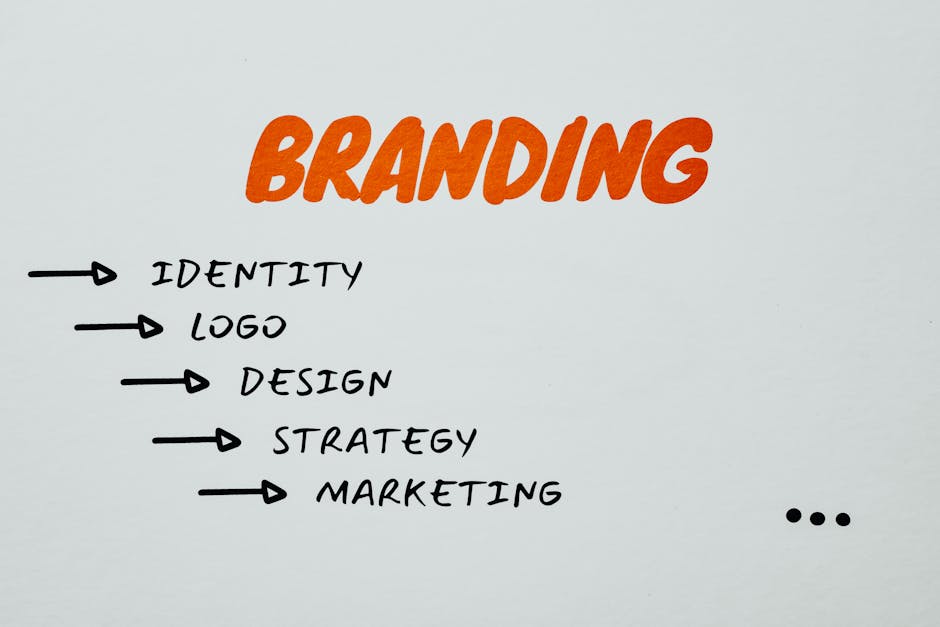
Online brand management is a vital element for businesses striving to succeed in today’s digital economy. It encompasses everything from developing a robust online presence to ensuring consistent brand messaging across all digital platforms. Effective online brand management helps companies steer digital change and drive brand evolution.
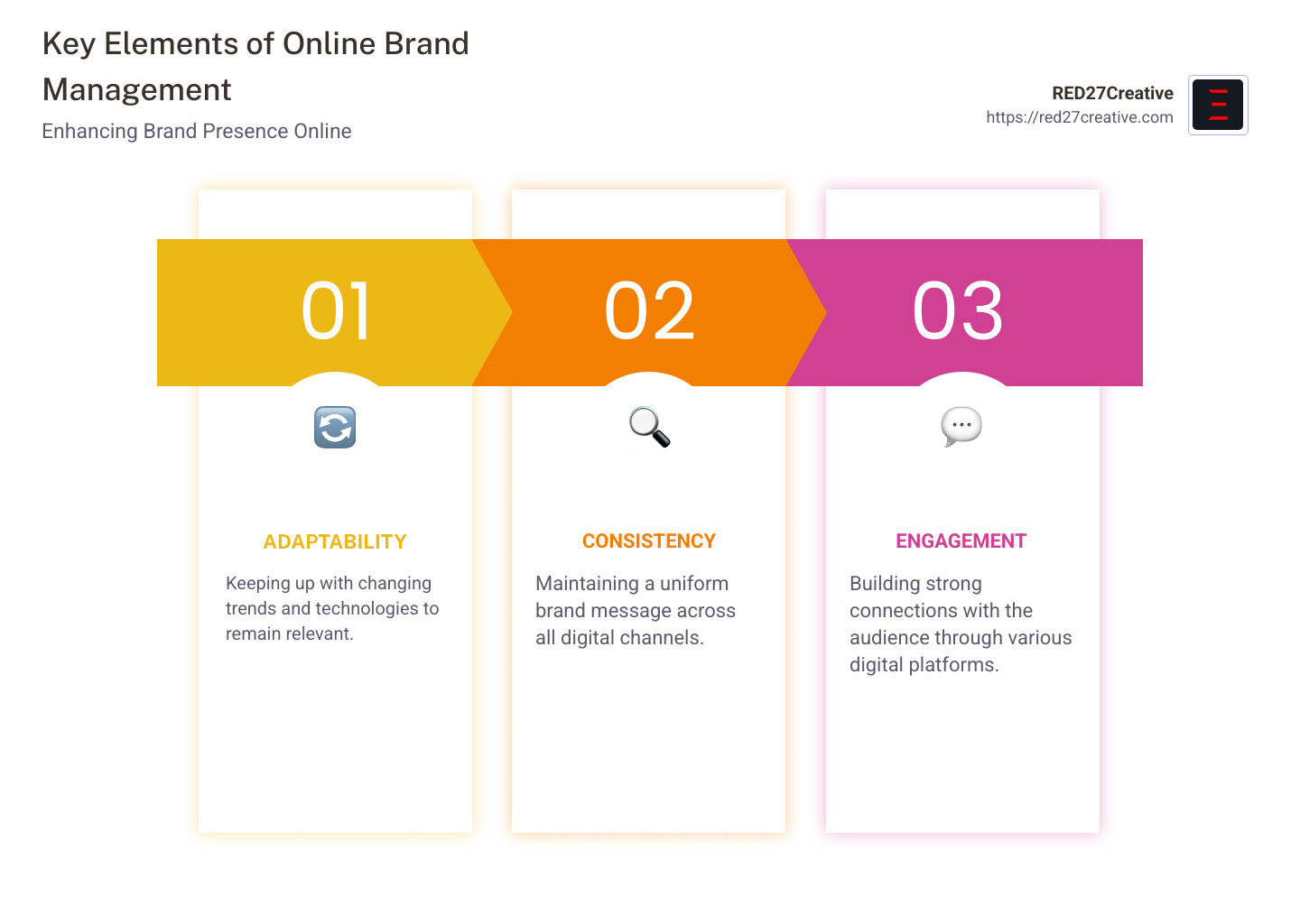
- Adaptability: It’s about keeping up with rapidly changing online trends and technologies.
- Consistency: Ensuring your brand message is uniform across all digital channels.
- Engagement: Building a strong connection with your audience online.
As the digital landscape evolves, mastering online brand management becomes essential for maintaining a competitive edge. Brands must continuously adapt to technological advances and changing consumer expectations.
I’m Kiel Tredrea, a strategic marketing leader with over 20 years in online brand management. My experience spans branding, SEO, and digital marketing strategies aimed at enhancing online presence. Let’s dive deeper into this dynamic field and explore how we can effectively manage your brand online.
Understanding Online Brand Management
Online brand management is all about creating and maintaining a strong brand identity in the digital world. Think of it as your brand’s personality online. It’s how your business looks, sounds, and interacts with customers on the internet.
Brand Identity
Your brand identity is the unique set of elements that distinguishes your brand from others. This includes your logo, color schemes, and even the tone of your messaging. A memorable brand identity helps people recognize and remember your business. For instance, the Coca-Cola jingle “It’s the Real Thing” is still familiar to many, even decades after its release. A strong identity builds trust and loyalty, which are key to brand equity.
Customer Interaction
Customer interaction is more direct and personal. Social media, websites, and apps allow businesses to engage with their audience like never before. It’s important to respond to comments, answer questions, and even address complaints promptly. This shows customers that you care and are attentive to their needs.
Engagement on digital platforms can turn a casual visitor into a loyal customer. For example, a quick and genuine response to a customer’s query on social media can significantly improve their perception of your brand.
Digital Mediums
Digital mediums are the various online platforms where your brand is present. These include your website, social media channels, email newsletters, and more. Each medium offers unique opportunities to connect with your audience.
For example, your website is the hub of your online presence. It’s where customers learn about your products, services, and values. Social media platforms offer a more interactive space where you can engage directly with your audience.
In today’s digital world, it’s crucial to maintain a consistent brand message across all these mediums. This consistency reinforces your brand identity and helps build trust with your audience.

By understanding and mastering these aspects of online brand management, businesses can create a strong, cohesive brand presence that resonates with their audience. This not only drives engagement but also improves brand equity in the competitive digital landscape.
Key Components of Online Brand Management
To excel in online brand management, focus on four key components: clarity, consistency, constancy, and brand equity. These elements form the backbone of a strong digital presence.
Clarity
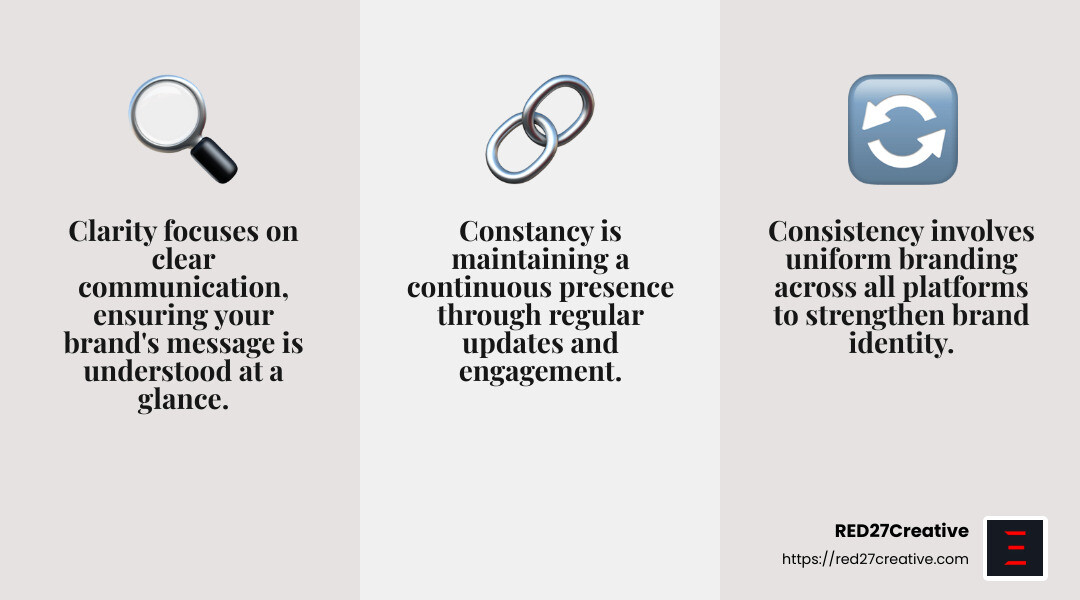
Clarity is about communicating your brand’s message clearly and effectively. Your audience should understand who you are and what you offer at a glance. This involves using straightforward language and visuals that reflect your brand’s core values and mission.
Imagine a brand like Apple. When you see their marketing, you instantly know what they stand for: innovation, simplicity, and elegance. This clarity helps them connect with their audience on a deeper level.
Consistency
Consistency ensures that every interaction with your brand feels the same, no matter where it happens. This means using the same logos, colors, and tone of voice across all platforms. Inconsistent branding can confuse customers and weaken your brand’s identity.
Consider global brands like Coca-Cola. Their commitment to consistency means you recognize their brand instantly, whether it’s on a billboard or a social media post.
Constancy
Constancy is about maintaining a continuous presence in your audience’s lives. This means regularly updating your social media, posting fresh content on your blog, and sending out newsletters. Staying active keeps your brand top-of-mind and relevant.
For instance, brands that regularly engage with their audience on platforms like Instagram or Twitter stay more visible and relevant. This ongoing interaction fosters a sense of connection and loyalty.
Brand Equity
Brand equity refers to the value your brand adds to your products or services. It’s built through positive customer experiences and consistent delivery of your brand promise. High brand equity means customers are willing to pay more for your product over a less-known competitor.
Think of Nike. Their brand equity allows them to charge premium prices because customers associate their products with quality, performance, and style. This perceived value is a result of years of effective brand management.
By focusing on these components, you can create a cohesive and impactful brand presence online. This not only strengthens your connection with your audience but also improves your brand equity in the digital marketplace.
Next, we’ll explore strategies to effectively manage your online brand, including leveraging social media and using analytics to inform decisions.
Strategies for Effective Online Brand Management
To excel in online brand management, you need a solid strategy. Let’s explore some effective strategies: social media, analytics, adaptability, and content strategy.
Social Media
Social media is a powerful tool for brand management. It acts as a direct line to your customers, allowing you to interact with them in real time. Choose platforms where your audience spends most of their time, and maintain a regular posting schedule. Engaging with your followers through comments and messages also builds a loyal community.
For example, brands like Wendy’s have mastered the art of social media engagement with their witty and timely tweets. This approach not only keeps their audience entertained but also strengthens brand loyalty.
Analytics
Data-driven decision-making is crucial. Use tools like Google Analytics to understand user behavior on your website. Track metrics such as website traffic, click-through rates, and conversion rates. This data helps identify what’s working and where improvements are needed.
For instance, by analyzing which content gets the most engagement, you can tailor future posts to better meet your audience’s preferences. This ensures your efforts align with your business goals and audience needs.
Adaptability
The digital landscape is always changing. Being adaptable means staying ahead of trends and adjusting your strategies as needed. Keep an eye on industry shifts and be ready to pivot your approach.
A great example is how brands quickly adapted to the rise of TikTok. Those who acceptd this platform early on were able to reach new audiences and gain a competitive edge.
Content Strategy
A strong content strategy is vital for effective online brand management. Create content that is relevant, engaging, and valuable to your audience. Use a mix of formats like blog posts, videos, and infographics to cater to different preferences.
High-quality content not only attracts new visitors but also positions your brand as an industry authority. For example, HubSpot’s educational blog posts draw in a large audience by providing valuable insights and solutions to common problems.
By implementing these strategies, you can build a robust online presence that resonates with your audience and drives brand growth. Next, we’ll discuss best practices to ensure your brand’s consistency and effectiveness across all digital platforms.
Best Practices for Online Brand Management
To master online brand management, following best practices is key. Let’s explore some essential elements: brand guidelines, SEO, content creation, and social media engagement.
Brand Guidelines
Brand guidelines are the backbone of a consistent brand identity. They provide a clear framework for how your brand should be presented across all digital platforms. This includes logos, color schemes, typography, and tone of voice. Consistency in these elements builds trust and recognition.
Think of brand guidelines as a rulebook. They ensure everyone in your organization knows how to represent your brand. This keeps your messaging uniform, whether it’s on your website, social media, or marketing materials.
SEO
Search Engine Optimization (SEO) is crucial for visibility. By optimizing your website’s structure and content, you make it easier for search engines to find you. This means using relevant keywords, improving site speed, and ensuring mobile-friendliness.
For example, optimizing meta descriptions and image alt texts can significantly boost your search rankings. The more people find you through search engines, the more potential customers you reach.
Content Creation
Creating high-quality content is at the heart of engaging your audience. This means producing blog posts, videos, and infographics that are not only informative but also compelling.
HubSpot, for instance, excels at this by offering valuable, educational content that addresses their audience’s needs. Such content positions your brand as an authority and keeps your audience coming back for more.
Social Media Engagement
Social media is where your brand can shine through direct interaction. Engaging with your audience through comments, shares, and messages builds a strong community around your brand.
Take Wendy’s social media strategy as an example. Their witty and timely interactions not only entertain but also strengthen their brand’s connection with followers.
Regular posting and genuine interaction show your audience that you value their input and are invested in their experience with your brand.
By following these best practices, you ensure your brand is consistent, visible, and engaging across all digital platforms. This sets the foundation for a strong and recognizable online presence.
Next, we’ll address some frequently asked questions about online brand management and explore the concepts of clarity, consistency, and constancy.
Frequently Asked Questions about Online Brand Management
What are the 3 C’s of brand management?
The 3 C’s of brand management—Clarity, Consistency, and Constancy—are essential for building a strong brand.
-
Clarity means having a clear and well-defined brand identity. Your audience should instantly understand what your brand stands for. This involves having a clear message, mission, and values that resonate with your target market.
-
Consistency is about maintaining uniformity in how your brand is presented across all platforms. This includes visual elements like logos and colors, as well as your brand’s tone of voice. Consistent branding builds trust and recognition over time.
-
Constancy refers to the continuous presence of your brand in the market. It’s about regularly engaging with your audience and staying relevant. This means being active on social media, updating your content, and keeping your audience informed about your brand’s developments.
What are the 5 A’s of brand management?
The 5 A’s—Awareness, Attraction, Action, Affinity, and Advocacy—describe the stages of customer engagement with your brand.
-
Awareness is the first step, where potential customers become aware of your brand. This can be achieved through marketing campaigns, social media, and SEO strategies.
-
Attraction involves drawing in your audience by offering something valuable. This could be engaging content, unique products, or exceptional service that appeals to your target market.
-
Action is when your audience takes a step towards engaging with your brand, like making a purchase or signing up for a newsletter. Effective calls-to-action and a seamless user experience can encourage this step.
-
Affinity is about building a connection with your audience. This is where customer loyalty starts to form through positive experiences and consistent brand engagement.
-
Advocacy is the ultimate goal, where satisfied customers become brand ambassadors. They share their positive experiences with others, helping to spread your brand message organically.
How do digital brand managers contribute to brand growth?
Digital brand managers play a crucial role in expanding a brand’s reach and influence. They focus on several key areas:
-
Social Media: By managing social media platforms, digital brand managers engage with audiences, respond to feedback, and create content that resonates with followers. This helps build a community around the brand.
-
Digital Platforms: They ensure the brand’s presence across various digital platforms is strong and cohesive. This includes websites, apps, and online marketplaces.
-
Brand Outreach: Digital brand managers use analytics to track the effectiveness of marketing strategies. They adapt campaigns based on data insights to reach wider audiences and improve engagement.
Digital brand managers are the architects of a brand’s online presence. They ensure that the brand remains relevant, visible, and engaging, contributing significantly to its growth and success.
Next, we’ll conclude by exploring how RED27Creative can help you maintain brand consistency in today’s digital landscape.
Conclusion
In today’s digital landscape, maintaining brand consistency is more crucial than ever. At RED27Creative, we understand that a strong and cohesive brand presence can make all the difference in your business’s success. Our comprehensive suite of services, including SEO Marketing Services, is designed to help you achieve this consistency across all digital platforms.
Brand consistency is not just about using the same logo or color scheme everywhere. It’s about delivering a unified message that resonates with your audience, no matter where they encounter your brand. This builds trust and recognition, essential components for standing out in a crowded marketplace.
Our team at RED27Creative specializes in crafting strategies that ensure your brand’s voice and visual identity are consistent across all channels. From social media management to content creation and analytics, we provide the tools and expertise needed to keep your brand relevant and engaging.
The digital landscape is constantly evolving, presenting new challenges and opportunities for businesses. By partnering with us, you gain access to cutting-edge strategies that adapt to these changes, ensuring your brand remains at the forefront of your industry.
In conclusion, online brand management is a journey that requires clarity, consistency, and constancy. At RED27Creative, we’re committed to guiding you through this process, helping your brand thrive in the digital world. Let’s work together to lift your brand to new heights and ensure your success in today’s dynamic environment.

Kiel Tredrea
https://red27creative.comTop Marketing Agency • Web, SEO & Leads • RED27Creative