Digital Marketing for Manufacturers: From Zero to Hero
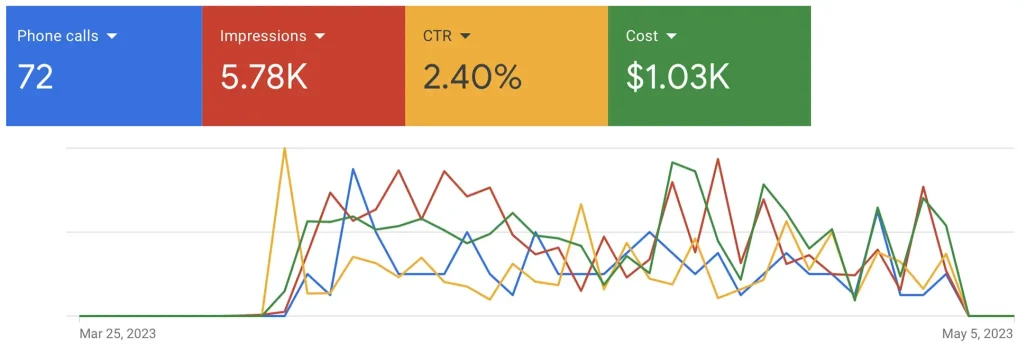
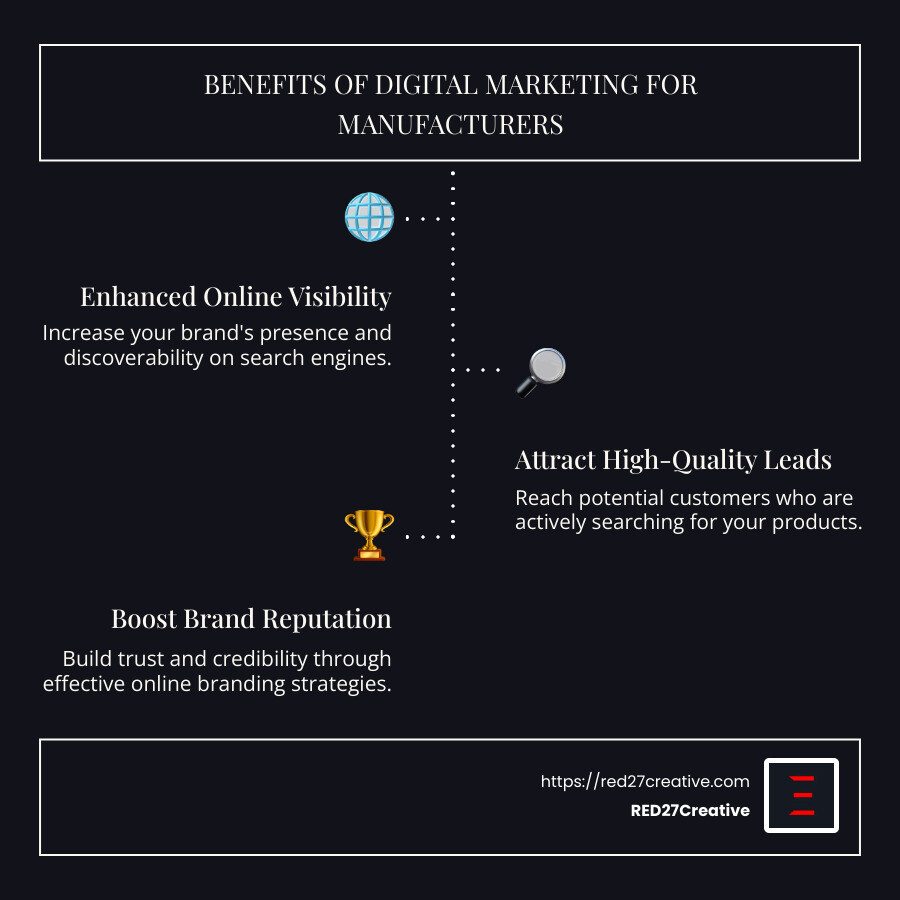
Digital marketing for manufacturers is crucial in today’s competitive environment. As industries evolve, adopting digital strategies is essential for reaching modern buyers. Digital marketing enables manufacturers to connect more effectively with potential customers by:
- Enhancing online visibility
- Attracting high-quality leads
- Boosting brand reputation
These strategies are vital for thriving in an increasingly digital-driven world.
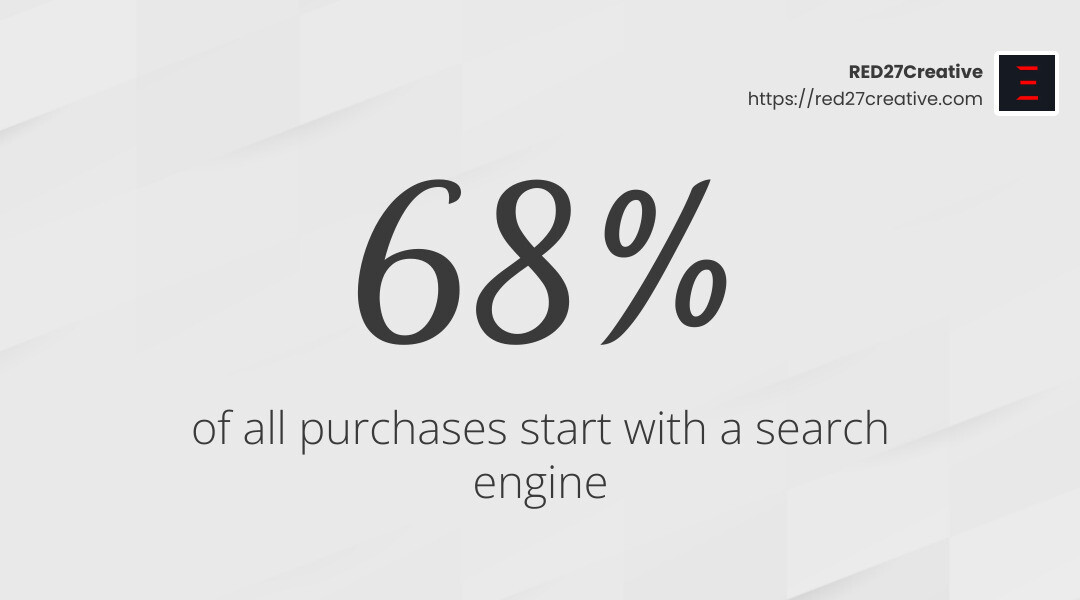
The importance of digital marketing lies not just in reaching target audiences efficiently but also in adapting to shifting buying behaviors. With 68% of purchases beginning with a search engine, manufacturers must ensure their online presence is strong and engaging. Traditional methods like trade shows and referrals, although still valuable, lack the extensive reach and precision of digital tactics.
As the manufacturing landscape undergoes digital change, employing strategies like SEO, content marketing, and social media helps businesses remain relevant and competitive. The shift towards digital offers manufacturers the tools to streamline processes, engage customers interactively, and measure the results of their efforts effectively.
I’m Kiel Tredrea, your guide through this digital marketing journey. With over 20 years of experience in the field, I specialize in helping manufacturers harness the power of digital marketing to lift their brand presence and drive growth. This article will explore how digital strategies are transforming the manufacturing sector.
Why Manufacturers Need Digital Marketing
In today’s world, digital marketing for manufacturers is not just an option; it’s a necessity. Why? Because it helps manufacturers build a robust online presence, reach more customers, and gain a competitive edge.
Online Presence
Having a strong online presence is crucial. It’s your digital storefront, open 24/7. A well-optimized website allows potential customers to find you easily. Did you know that 68% of all purchases start with a search engine? If your manufacturing business isn’t visible online, you’re missing out on a massive pool of potential clients.
By optimizing your website with SEO strategies, you ensure that your business appears at the top of search results. This increases your visibility and credibility, making it easier for decision-makers to find you when they search for solutions.
Customer Reach
Digital marketing expands your customer reach beyond local markets. With tactics like social media marketing and email marketing, you can engage with a global audience. This is particularly important because the manufacturing buying cycle is long and involves multiple decision-makers.
Inbound marketing strategies like content marketing allow you to educate potential clients, building trust over time. As they progress through the buying cycle, your brand becomes their go-to resource. This approach is effective in capturing leads and nurturing them until they are ready to make a purchase.
Competitive Advantage
In the competitive manufacturing sector, standing out is key. Digital marketing offers a way to differentiate your brand. By using data-driven insights, you can tailor your marketing efforts to meet the specific needs of your audience.
Consider content marketing as an example. By creating valuable, informative content, you position your brand as an industry leader. This not only attracts more visitors but also builds trust and authority. Case studies and testimonials can further improve your credibility, showcasing your ability to solve problems effectively.
Embracing digital marketing gives you the tools to analyze performance, adjust strategies, and optimize campaigns. This agility allows you to stay ahead of the competition and adapt to changing market conditions.
Next, we’ll explore the key digital marketing strategies that manufacturers can use to maximize their online impact.
Key Digital Marketing Strategies for Manufacturers
In manufacturing, digital marketing is a game-changer. Let’s explore the key strategies manufacturers can use to boost their online impact.
Search Engine Optimization (SEO)
SEO is the backbone of any digital marketing strategy. It helps your manufacturing website rank higher on search engines like Google. This means more visibility and more customers finding you when they search for relevant products or services.
For instance, by optimizing your site with industry-specific keywords like “industrial valves supplier” or “custom metal fabrication,” you can attract the right audience. According to a study, creating visibility through SEO is crucial for success in contract manufacturing.
Pay-Per-Click (PPC) Advertising
PPC advertising allows you to place ads on search engines and pay only when someone clicks on them. This is a great way to drive targeted traffic to your site quickly. Platforms like Google Ads let you target specific demographics and geographic locations, ensuring your ads reach the right people.
For example, if you’re a manufacturer in Chicago, you can create a PPC campaign targeting businesses in the Midwest looking for manufacturing solutions. This ensures that your ad budget is spent efficiently, reaching those most likely to convert.
Content Marketing
Content marketing involves creating valuable, informative content to educate and engage your audience. This could be blog posts, videos, or case studies that showcase your expertise and solutions.
A case study showed that using content like client testimonials and industry news can position your brand as a thought leader. This not only attracts more visitors but also builds trust and authority.
Social Media Marketing
Social media isn’t just for selfies and memes; it’s a powerful tool for manufacturers. Platforms like LinkedIn and Twitter are ideal for B2B marketing. They allow you to connect with industry leaders, share your content, and engage with potential clients.
By regularly posting updates, sharing industry insights, and engaging with your audience, you can build a strong online presence. This helps keep your brand top-of-mind for decision-makers in your industry.
Email Marketing
Email marketing is one of the most effective ways to nurture leads and maintain relationships with clients. By sending regular newsletters, product updates, or industry insights, you keep your audience engaged.
Offer valuable content in exchange for email sign-ups, like a free guide on “The Latest Trends in Manufacturing.” This not only grows your email list but also positions your brand as a valuable resource.
Next, we’ll explore the differences between inbound and outbound marketing for manufacturers and how each can contribute to lead generation.
Inbound vs. Outbound Marketing for Manufacturers
Inbound marketing and outbound marketing are two essential strategies in digital marketing for manufacturers. Each has its unique role and can significantly enhance lead generation when implemented effectively.
Inbound Marketing
Inbound marketing focuses on attracting customers by offering valuable content and personalized experiences. Instead of pushing products onto potential customers, it draws them in by addressing their needs and providing solutions.
-
Website Content & SEO: Optimizing your website with relevant content and keywords ensures visibility when potential customers search for solutions you offer. For instance, using industry-specific terms like “precision machining services” can help your site rank higher in search results.
-
Educational Content: Producing blog posts, webinars, and videos that tackle common industry challenges can establish your brand as an expert. This approach not only attracts visitors but also builds trust. A case study from RED27Creative demonstrates that informative content can significantly boost your online presence.
-
Social Media Engagement: Platforms like LinkedIn allow you to share insights and connect with industry professionals. Engaging with your audience helps create a community around your brand, increasing the likelihood that prospects will turn to you when they’re ready to purchase.
Outbound Marketing
Outbound marketing is more traditional, involving direct outreach to potential customers. It’s about broadcasting your message to a broad audience and hoping it resonates with some.
-
Email Campaigns: Sending targeted emails to potential customers can be effective when personalized and value-driven, increasing open rates and engagement.
-
Direct Mail: Although it may seem old-fashioned, direct mail can still be effective, especially if your target audience isn’t as active online. A well-designed brochure or catalog can capture attention and drive interest.
-
Trade Shows and Events: Participating in industry events allows you to showcase your products and connect with potential clients face-to-face. Following up with attendees afterward helps nurture leads and convert them into customers.
Lead Generation: Combining Inbound and Outbound
For manufacturers, lead generation involves finding the right balance between inbound and outbound strategies. Each approach has its strengths, but together, they can create a powerful marketing strategy.
-
Awareness and Engagement: Use inbound marketing to build awareness and engage potential customers early in their buying journey. This sets the stage for future interactions and positions your brand as a trusted resource.
-
Direct Outreach: Complement your inbound efforts with targeted outbound campaigns. This can help you reach prospects who may not be actively searching for your solutions but could benefit from them.
By balancing these approaches, manufacturers can attract new customers and nurture them into long-term clients. This integrated strategy ensures you’re reaching the right people at the right time, ultimately driving more sales and growth.
Next, we’ll explore how to build a successful digital marketing strategy by focusing on Ideal Customer Profile (ICP), targeting, and customization.
Building a Successful Digital Marketing Strategy
Creating a successful digital marketing strategy for manufacturers involves understanding your audience, targeting them effectively, and implementing a well-structured plan. Let’s break down these essential components.
Ideal Customer Profile (ICP)
An Ideal Customer Profile (ICP) is a detailed description of a company or customer that would benefit most from your products. It’s the foundation of your marketing strategy.
-
Identify Key Characteristics: Determine the industry, company size, and geographic location of your ideal customers. For example, a manufacturer in Geneva, IL, might focus on local businesses in the Midwest.
-
Understand Their Needs: What challenges do they face? How can your products solve their problems? By answering these questions, you can tailor your marketing messages to resonate with them.
-
Refine Over Time: As you gather more data, continuously refine your ICP to ensure it accurately reflects your best customers. This helps in targeting and customization, which we’ll discuss next.
Targeting
Effective targeting ensures your marketing efforts reach the right audience. It’s about delivering the right message to the right people at the right time.
-
Segment Your Audience: Divide your audience into smaller groups based on characteristics like industry, buying behavior, or location. This allows for more personalized marketing.
-
Use Data-Driven Insights: Leverage data analytics to understand customer behavior and preferences. This information can guide your targeting efforts and improve campaign performance.
-
Choose the Right Channels: Determine where your audience spends their time online. For manufacturers, LinkedIn and industry-specific forums might be more effective than other social media platforms.
Customization
Customization is about tailoring your marketing messages and offers to meet the specific needs of your audience.
-
Personalized Content: Create content that speaks directly to the pain points and interests of each segment. For example, a manufacturer could create a case study highlighting how their product solved a specific industry challenge.
-
Dynamic Email Campaigns: Use email marketing to send personalized offers and updates. Segment your email list to ensure each recipient receives content that is relevant to them.
-
Interactive Experiences: Consider using tools like quizzes or calculators that allow users to see how your products can benefit them. This not only engages potential customers but also provides valuable insights into their needs.
Implementation
The final step in building a successful digital marketing strategy is implementation. This involves executing your plan and continuously optimizing it for better results.
-
Create a Roadmap: Develop a three-month implementation plan that prioritizes high-impact updates. Focus on improving your website, content, and targeting efforts first.
-
Test and Optimize: No strategy is perfect from the start. Regularly test different approaches and use analytics to identify what’s working and what needs improvement.
-
Collaborate with Experts: If needed, partner with a digital marketing agency to leverage their expertise. They can provide strategic guidance and help execute your plan efficiently.
By focusing on your ICP, targeting effectively, and customizing your approach, manufacturers can create a digital marketing strategy that drives growth and success.
Next, we’ll address some frequently asked questions about digital marketing for manufacturers, including the 3-3-3 rule in marketing and the 7 C’s of digital marketing.
Frequently Asked Questions about Digital Marketing for Manufacturers
What is the 3-3-3 rule in marketing?
The 3-3-3 rule in marketing is a straightforward guideline to keep messaging clear and effective. It focuses on three key elements:
-
Concise Messaging: Keep your messages short and to the point. Aim for three main points that capture the essence of your message. This helps in maintaining the audience’s attention.
-
Headlines: Craft headlines that are catchy and informative. They should tell the reader what to expect in just a few words.
-
CTA (Call to Action): Every message should include a clear call to action. Tell your audience what you want them to do next, whether it’s visiting your website or contacting your sales team.
What are the 7 C’s of digital marketing?
The 7 C’s of digital marketing are principles that guide successful marketing strategies:
-
Customer: Understand your customers’ needs and preferences. This is the cornerstone of any marketing strategy.
-
Content: Create valuable and relevant content that engages your audience. Quality content attracts and retains customers.
-
Context: Deliver the right message at the right time. Contextual marketing ensures your content is relevant to your audience’s current situation.
-
Community: Build a community around your brand. Engage with your audience through social media and forums to foster loyalty.
-
Convenience: Make it easy for customers to find and interact with your brand. A user-friendly website and accessible customer service are key.
-
Cohesion: Ensure all marketing efforts are aligned. Consistent messaging across all channels strengthens your brand image.
-
Conversion: Focus on converting leads into customers. Use analytics to track and improve conversion rates.
How is marketing used for manufacturers?
Marketing for manufacturers involves several strategies to reach and engage the target audience:
-
Channels: Manufacturers use various channels like websites, social media, and email to reach potential customers. It’s essential to choose the right channels where your audience spends time.
-
Strategy: A well-thought-out marketing strategy involves identifying the target audience, creating engaging content, and using data to optimize efforts.
-
Target Audience: Understanding the target audience is crucial. Manufacturers need to know who they are marketing to and tailor their messages accordingly.
By focusing on these elements, manufacturers can effectively use digital marketing to grow their business and reach new customers.
Next, we will dig into how RED27Creative can assist manufacturers in achieving growth through digital marketing strategies.
Conclusion
In today’s digital age, digital marketing for manufacturers is not just an option—it’s a necessity. The digital landscape provides manufacturers with unparalleled opportunities to expand their reach, connect with new customers, and enhance their online presence. At RED27Creative, we are experts in transforming these opportunities into measurable success.
Driving Growth with Digital Marketing
For manufacturers, growth is closely tied to visibility and engagement. By implementing effective digital marketing strategies, manufacturers can reach a broader audience and engage them more effectively. Our comprehensive services at RED27Creative are designed to elevate your brand, ensuring you stand out in a competitive marketplace.
Strengthening Online Presence
A strong online presence is vital for attracting and retaining customers. With our expertise in SEO, web design, and content creation, RED27Creative helps manufacturers establish a solid digital footprint. This not only boosts search engine rankings but also enhances brand perception, making it easier for potential customers to find and trust your business.
Effective Lead Generation and Conversion
Generating quality leads is crucial for successful digital marketing. Our lead generation services are tailored to attract and convert high-value prospects, driving sustained business growth. By focusing on targeted strategies and personalized content, we ensure that your marketing efforts deliver the highest possible return on investment.
In conclusion, digital marketing is a powerful tool for manufacturers aiming to thrive in today’s competitive environment. With RED27Creative as your partner, you can unlock the full potential of digital marketing, transforming your business from zero to hero. Embrace the digital revolution and watch your business soar to new heights.

Kiel Tredrea
https://red27creative.comTop Marketing Agency • Web, SEO & Leads • RED27Creative