Business Consulting Explained: From A to Z

What Business Consulting Really Means for Your Company
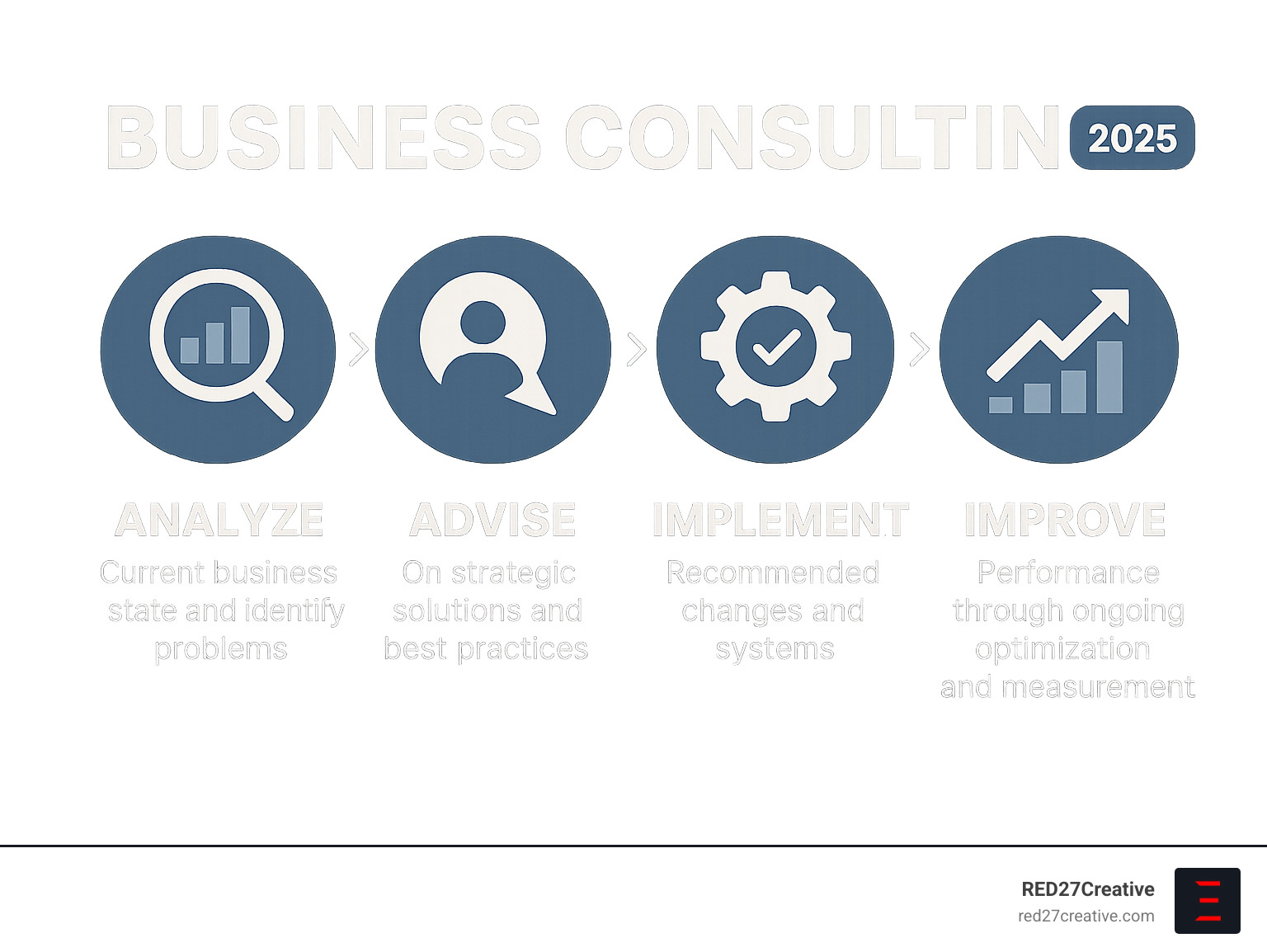
Business consulting is the practice of hiring external experts to analyze your company’s challenges, develop strategic solutions, and guide implementation to improve overall performance. At its core, it’s about getting an outside perspective from professionals who specialize in solving the specific problems your business faces.
Here’s what business consultants do:
- Analyze your current operations and identify inefficiencies
- Develop strategic plans custom to your specific goals
- Implement solutions and guide your team through changes
- Provide specialized expertise you may lack in-house
- Offer objective insights free from internal politics or biases
The consulting industry has evolved significantly, with classic strategy consulting now accounting for only 20% of work compared to 60-70% three decades ago. Today’s consultants focus more on specialized, hands-on implementation rather than just high-level strategy documents.
Why companies hire consultants:
Companies across all sizes – from startups to Fortune 500 enterprises – engage consultants when they need expertise they don’t have internally, want an unbiased assessment of their operations, or require guidance through complex changes like digital change or market expansion.
As someone who has spent over 20 years helping businesses solve complex marketing and operational challenges, I’ve seen how the right consulting partnership can accelerate growth and eliminate costly mistakes. I’m Kiel Tredrea, founder of RED27Creative, and I’ve guided companies through strategic changes using business consulting principles combined with digital marketing expertise.
The Core Purpose of a Consultant
At the heart of business consulting lies a fundamental purpose: to drive positive change and measurable results for organizations. Consultants bring a unique blend of objectivity, specialized expertise, and a fresh perspective that internal teams might lack. They act as a catalyst, identifying hidden opportunities and overcoming stubborn challenges.
Our goal is always to help businesses operate at peak efficiency, even amid changing conditions. This often involves addressing common struggles that small business owners face, from managing cash flow to navigating competitive landscapes. A consultant’s “bird’s-eye view” can pinpoint strengths and weaknesses more effectively than someone deeply entrenched in the daily operations.
Strategic vs. Management Consulting
While often used interchangeably, strategic and management consulting serve distinct, yet complementary, functions. Strategic consulting focuses on the “what” and “why” – shaping a company’s high-level, long-term goals and identifying new market opportunities. This involves defining vision, mission, and overarching direction.
On the other hand, management consulting digs into the “how” – concentrating on the implementation and optimization of day-to-day business operations. This can include improving internal processes, enhancing efficiency, and ensuring that strategic goals are translated into actionable plans. Think of it as strategic consultants setting the destination, while management consultants plot the most efficient route. At RED27Creative, our Management Consulting Services help bridge this gap, ensuring your vision becomes a reality.
The Spectrum of Consulting: Types and Specializations
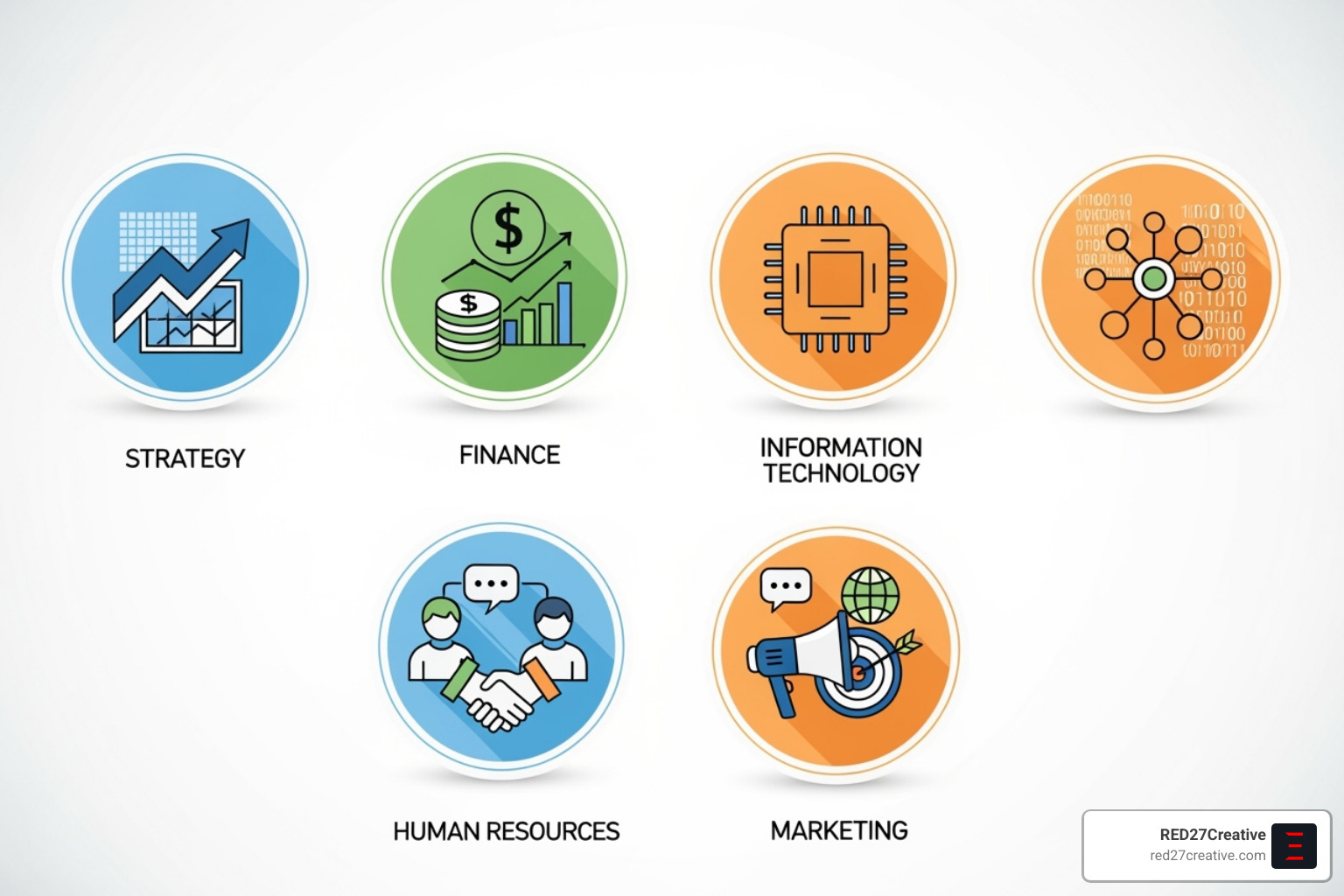
Think of business consulting as a Swiss Army knife for your company – there’s a specialized tool for every challenge you might face. The consulting world has evolved into a rich ecosystem of niche expertise, where consultants develop deep knowledge in specific areas to deliver custom solutions that actually work for your industry.
What makes modern consulting so powerful is this specialization. Instead of hiring a generalist who knows a little about everything, you can tap into an expert who understands the unique challenges of your sector inside and out. Whether you’re struggling with outdated processes or trying to break into new markets, there’s likely a consultant who’s solved that exact problem dozens of times before.
Strategic & Operations Consulting
When you’re ready to think big, strategic consulting becomes your compass for the future. These consultants help you step back from the day-to-day grind and ask the important questions: Where should we be in five years? What markets should we enter? How do we stay ahead of competitors who are breathing down our necks?
Strategic consultants excel at competitive analysis and identifying growth opportunities you might have missed. They bring fresh eyes to your business model and can spot trends before they become obvious to everyone else.
On the flip side, operations consulting is where the rubber meets the road. These experts dive into your daily processes with one goal: making everything run smoother and cheaper. They’re the ones who’ll redesign your supply chain management, eliminate bottlenecks that have been driving your team crazy, and find ways to cut costs without cutting corners.
The beauty of operations consulting lies in process efficiency. A good operations consultant can often pay for themselves within months by identifying waste you didn’t even know existed.
Financial & HR Consulting
Money makes the world go round, but it can also make business owners lose sleep. Financial consulting brings peace of mind by helping you understand where your money is going and how to make it work harder. These consultants tackle everything from budgeting and investment strategy to risk management and cash flow optimization.
Your financial consultant becomes your money mentor, ensuring you’re not just surviving but building wealth for the future. They help you make smart decisions about expansion, acquisitions, or simply weathering economic storms.
Meanwhile, HR consulting recognizes that your people are your greatest asset – and sometimes your biggest headache. These specialists handle the human side of business, from talent acquisition strategies that actually attract top performers to designing compensation and benefits packages that keep them around.
HR consultants also help with the tricky stuff like organizational structure changes and building company cultures that people actually want to be part of. They understand that happy employees are productive employees, and productive employees drive profits.
IT & Marketing Consulting
IT consulting isn’t just nice to have – it’s essential for survival. These tech-savvy consultants guide you through technology implementation without the usual headaches and help you steer digital change without breaking the bank or your team’s sanity.
Cybersecurity has become a major focus area, and IT consultants ensure your business doesn’t become another cautionary tale in the news. Our IT Consulting Services help businesses leverage technology as a competitive advantage rather than just another expense.
Marketing consulting is where strategy meets creativity to drive real results. Today’s marketing consultants don’t just create pretty campaigns – they develop comprehensive brand strategies, build lead generation systems that actually work, and use data to optimize every dollar you spend.
The most effective marketing consultants understand that modern marketing is about building relationships, not just broadcasting messages. Our Marketing Strategies focus on creating genuine connections with your target audience, while The Competitive Edge of Data-Driven Marketing ensures every campaign decision is backed by solid evidence rather than guesswork.
The Value Proposition: Benefits and Costs of Hiring a Consultant
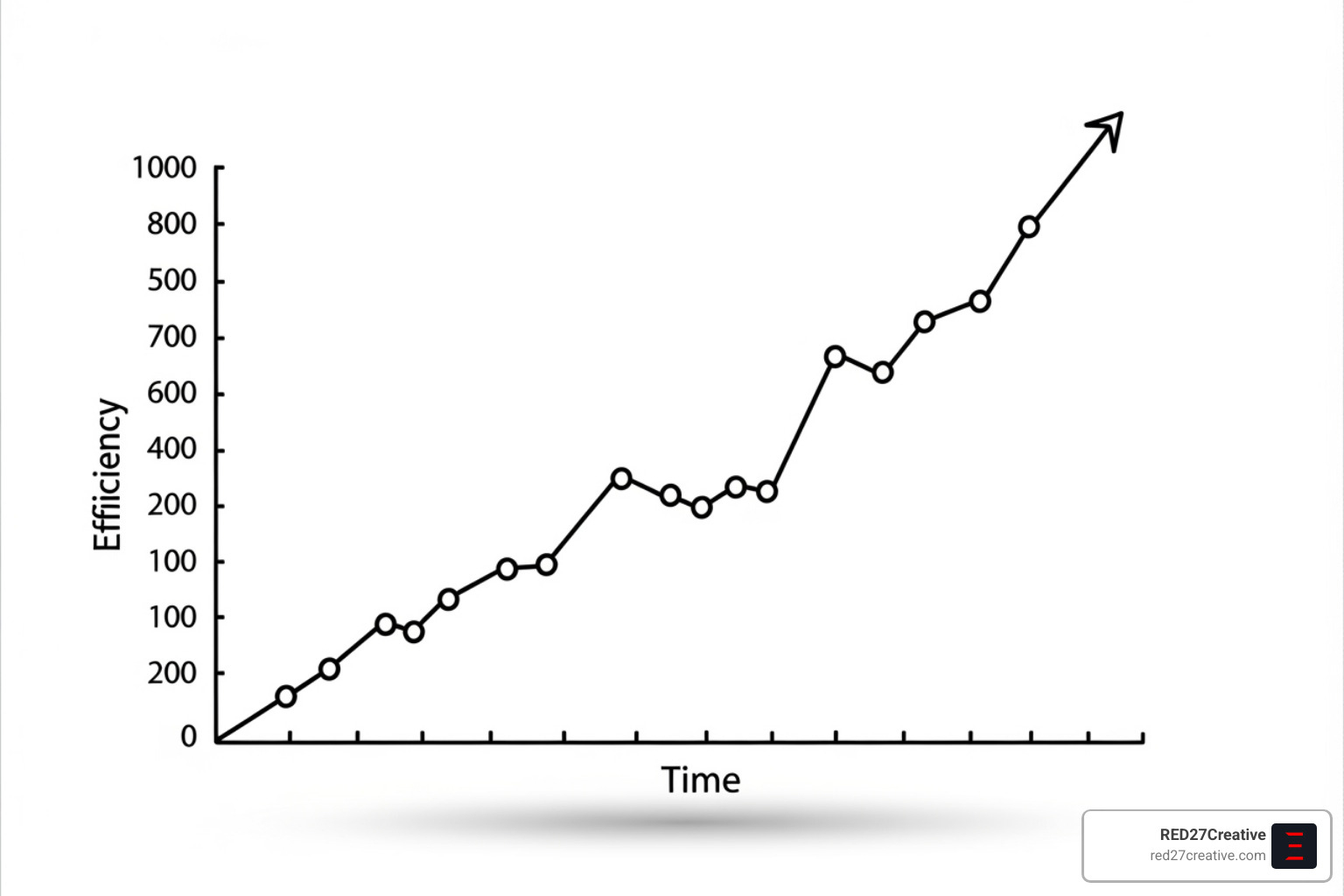
When you’re considering hiring a business consulting professional, you’re essentially making a strategic investment in your company’s future. The question isn’t whether consulting delivers value – it’s whether you can afford not to tap into that expertise when facing complex challenges.
Think of it this way: you wouldn’t attempt surgery on yourself, so why tackle intricate business problems without the right specialist? The measurable results and cost-effectiveness of consulting often surprise business owners who initially worried about the investment.
Key Benefits for Your Business
The most immediate advantage of bringing in a consultant is gaining access to expert knowledge that would take years to develop internally. These professionals have solved similar problems across multiple industries, bringing battle-tested solutions to your specific situation.
What’s particularly valuable is the unbiased “bird’s-eye view” consultants provide. When you’re deep in the daily grind of running your business, it’s easy to miss obvious inefficiencies or opportunities. An external expert sees your operations with fresh eyes, free from internal politics or the “we’ve always done it this way” mentality.
From a financial perspective, consultants often prove more cost-effective than hiring full-time specialists, especially for specific projects or temporary challenges. You get senior-level expertise without the long-term commitment of salary, benefits, and office space. Plus, consultants accelerate project timelines significantly – they’ve implemented similar solutions before and know exactly what works.
The tools and frameworks consultants bring can be game-changers. For instance, companies leveraging customer analytics are twice as likely to generate above-average profits. That’s the power of specialized, data-driven insights applied correctly to your business.
Factors Influencing the Cost of Business Consulting
Understanding business consulting costs helps you budget appropriately and choose the right professional for your needs. The biggest factor is consultant experience – a seasoned expert with 15 years of proven results will naturally command higher fees than someone just starting out, but their efficiency often makes them worth every penny.
Project scope and complexity dramatically impact pricing. A simple market research project might cost a few thousand dollars, while a comprehensive digital change could run into six figures. The engagement duration also matters – short-term assessments typically have higher hourly rates than long-term partnerships.
Geographic location plays a role too. Consultants in major business hubs often charge more than those in smaller markets, though remote work has somewhat leveled this playing field. The pricing model you choose – whether hourly rates, project-based fees, or monthly retainers – can significantly affect your total investment.
To put this in perspective, a US business consultant makes between $45,000 and $95,000 annually on average. However, independent consultants often charge $100-$300 per hour, while specialized experts can command $500+ per hour. For small businesses, monthly retainers typically range from $2,000 to $10,000, depending on the scope of work and level of expertise required.
The key is viewing consulting as a strategic investment rather than an expense. When done right, the ROI far exceeds the initial cost through improved efficiency, increased revenue, and avoided costly mistakes.
The Engagement Playbook: How to Effectively Work with a Business Consultant

Think of working with a business consultant like bringing a skilled guide on a challenging hike. You know the destination, but they know the best path to get there safely and efficiently. The key to success isn’t just hiring the right consultant – it’s creating a partnership built on clear communication, defined goals, and mutual trust.
I’ve seen countless consulting engagements succeed or fail based on how well both sides collaborate from day one. The businesses that get the most value understand that consulting isn’t something done to them, but with them.
Models for Engaging Consultants
When it comes to engaging consultants, you have several paths to choose from, each with its own personality and benefits. The firm-based model is like hiring a full orchestra – you get access to a diverse team of specialists, established processes, and comprehensive resources. This works beautifully for complex projects that need multiple areas of expertise working in harmony.
The independent or solo consultant approach is more like working with a master craftsperson. You get personalized attention, direct access to senior expertise, and often more flexibility in how you work together. This model shines when you have a specific challenge that needs deep, focused knowledge.
A growing trend I’m excited about is productized services – think of these as consulting solutions packaged like software. You know exactly what you’re getting and what it costs upfront. How Fractional Marketing Can Help Businesses is a perfect example of this approach, where you get expert marketing leadership without the full-time commitment or guesswork.
Ensuring a Successful Partnership
The magic happens when you treat your consultant as a true partner, not just an expensive advisor. Start by defining clear objectives and KPIs that everyone understands. What does success look like? How will you measure it? These aren’t just nice-to-have conversations – they’re the foundation of everything that follows.
Allocate internal resources and make sure your team knows this project matters. Your consultant needs access to people, data, and decision-makers. Nothing kills momentum faster than a consultant waiting weeks to get basic information or approval for next steps.
Establish communication channels that work for everyone involved. Whether it’s weekly check-ins, shared project boards, or quick daily updates, consistency beats perfection every time. Trust the process even when recommendations challenge your assumptions – that’s often where the biggest breakthroughs happen.
Provide constructive feedback throughout the engagement. Your consultant isn’t a mind reader, and your insights about company culture and history are invaluable for refining their approach. Successful change requires everyone to accept new ways of thinking and working, fostering a culture of agility.
A Consultant’s Day-to-Day Responsibilities
Ever wonder what your business consultant actually does all day? The reality is that business consultants wear many hats, and their days are rarely predictable. Research and data analysis takes up a big chunk of time – diving deep into your numbers, industry trends, and competitive landscape to understand what’s really happening beneath the surface.
Client meetings and workshops are where the real collaboration happens. These aren’t just status updates; they’re working sessions where consultants gather insights, test ideas, and build buy-in for solutions. Strategy development is the creative problem-solving phase, where all that research gets transformed into actionable plans that fit your specific situation.
Creating reports and presentations might sound boring, but it’s how complex ideas become clear communication. The best consultants are storytellers who can take overwhelming data and turn it into compelling narratives that drive action.
Project management keeps everything moving forward. Consultants juggle timelines, coordinate with your team, track progress against KPIs, and adjust course when needed. Whether we’re working with businesses in Chicago, Geneva, or Naperville, these core responsibilities remain constant – it’s the local market knowledge and relationship-building that makes each engagement unique.
The Modern Consulting Landscape
The business consulting world isn’t what it used to be. Gone are the days when consultants would swoop in with thick PowerPoint presentations and disappear, leaving companies to figure out implementation on their own. Today’s consulting landscape is more dynamic, more specialized, and frankly, more exciting than ever before.
What’s driving this change? Technology has completely reshaped how consultants work and deliver value. Clients are smarter and more demanding. They want results, not just recommendations. And with global economic shifts creating new challenges daily, businesses need consultants who can adapt quickly and think on their feet.
This evolution has created incredible opportunities for both established firms and entrepreneurial newcomers. The barriers to entry have lowered in some areas while expertise requirements have intensified in others. It’s a fascinating time to be part of this industry change.
Industries That Rely on Consulting
Nearly every business sector benefits from business consulting expertise, but some industries have become particularly dependent on external guidance. Large corporations continue to be major clients, especially when tackling complex initiatives like digital change or major restructuring. They need the specialized knowledge and objective perspective that consultants provide.
Startups and scale-ups represent a growing segment of the consulting market. These companies often lack internal expertise in areas like market positioning, operational efficiency, or fundraising strategy. They’re willing to invest in consultants who can help them avoid costly mistakes and accelerate growth.
Government agencies and non-profits also rely heavily on consulting services, particularly for project management and policy development. These organizations often face unique regulatory constraints and stakeholder requirements that specialized consultants understand better than internal teams.
The healthcare sector has become increasingly consulting-dependent, especially for regulatory compliance and digital health initiatives. Financial services firms regularly engage consultants for risk management and fintech innovation projects. Technology companies need help with product positioning and emerging tech implementation, while retail businesses seek expertise in customer experience optimization and e-commerce strategy.
At RED27Creative, we’ve seen how Small Business Consulting can transform local companies across different sectors. Whether it’s a manufacturing firm in Aurora or a service business in Plainfield, the right consulting approach can open up significant growth potential.
Current Trends and Disruptions
The consulting industry is experiencing some pretty dramatic shifts right now. One of the most significant trends is the rise of specialized boutique firms. These smaller, more agile companies can often outmaneuver larger traditional consultancies by offering highly customized solutions and faster decision-making processes.
Artificial intelligence and automation are completely changing the game. AI can now handle much of the routine research and data analysis that junior consultants used to do. This means consultants can focus on the strategic thinking and creative problem-solving that truly adds value. It’s actually liberating – AI handles the mundane 80% of tasks, freeing consultants to excel at the exciting 20%.
There’s also a major shift toward value-based pricing. Instead of billing by the hour, more consultants are tying their compensation directly to the results they deliver. This alignment of incentives creates better outcomes for everyone involved.
The traditional model of classic strategy consulting continues its decline from the 60-70% market share it held decades ago to just 20% today. Clients want implementation support, not just strategic recommendations. They’ve learned that a brilliant strategy sitting on a shelf doesn’t create value.
Our approach at RED27Creative reflects these trends. Our Boutique Consulting Services combine strategic thinking with hands-on implementation, ensuring that our clients see real, measurable results from their investment.
How to Start Your Own Consulting Business
Thinking about joining the ranks of Entrepreneurs in the consulting space? It’s an exciting journey, but success requires careful planning and execution.
Identifying your niche is absolutely critical. What specific problem can you solve better than anyone else? This isn’t just about your past experience – it’s about understanding market demand and finding the sweet spot where your expertise meets genuine client need.
Building your personal brand comes next. This means creating valuable content, optimizing your online presence for search engines, and establishing yourself as a thought leader in your chosen area. Your reputation will be your most valuable business asset.
A solid business plan provides your roadmap. Define your services clearly, identify your target market, establish pricing strategies, and map out your operational approach. Don’t skip this step – even experienced business people benefit from thinking through these fundamentals systematically.
Networking relentlessly might sound exhausting, but relationships truly drive the consulting business. Many of your best clients will come through referrals and personal connections. Invest time in building genuine relationships within your industry and target market.
Finally, leverage the right technology tools to streamline your operations. Project management software, CRM systems, time tracking tools, and collaboration platforms will help you deliver services efficiently and professionally from day one.
The consulting landscape offers tremendous opportunities for those willing to adapt to its evolving demands. Whether you’re considering hiring a consultant or becoming one yourself, understanding these trends and dynamics will help you steer this exciting industry successfully.
Frequently Asked Questions about Business Consulting
When should a company hire a business consultant?
The decision to hire a business consultant often comes down to recognizing when you need expertise that doesn’t exist within your organization. If you’re struggling with persistent challenges that your internal team can’t solve, it’s time to consider bringing in outside help.
Common scenarios include entering a new market where you lack experience, improving operational efficiency when internal efforts have stalled, or navigating complex digital changes. Maybe you’re facing regulatory changes, preparing for rapid growth, or dealing with declining performance despite your best efforts.
Sometimes the most valuable aspect is simply getting an objective, external perspective on problems that have become too familiar to your internal team. When you’re too close to a situation, it’s easy to miss obvious solutions or continue down ineffective paths.
How is the success of a consulting project measured?
Success in business consulting isn’t measured by how impressive the final presentation looks – it’s all about measurable, predefined results that were established at the very beginning of the engagement. Before any work begins, you and your consultant should agree on specific Key Performance Indicators (KPIs) that define what success looks like.
These metrics vary widely depending on your project goals. Financial metrics might include increased revenue, cost savings, or improved profit margins. Operational improvements could focus on reduced processing times, higher productivity, or better customer satisfaction scores. For technology implementations, success might mean system adoption rates or reduced downtime.
The key is having specific, time-bound targets. Instead of “improve efficiency,” a good KPI would be “reduce order processing time by 30% within six months.” This clarity ensures everyone knows exactly what they’re working toward and makes it easy to evaluate the consultant’s impact.
What’s the difference between a consultant and a coach?
While both consultants and coaches help improve business performance, they take fundamentally different approaches. A business consultant is like bringing in a specialist surgeon – they diagnose specific problems, prescribe solutions, and often take a hands-on role in implementing those solutions.
Consultants provide expert advice based on their specialized knowledge and experience across multiple organizations. They typically deliver concrete deliverables like strategic plans, process improvements, or technology implementations. When you hire a consultant, you’re essentially buying their expertise to solve a particular challenge.
A coach, on the other hand, acts more like a personal trainer for your business skills. They focus on developing your team’s capabilities and mindset, guiding you to find your own solutions rather than providing ready-made answers. Coaches help open up potential that already exists within your organization, asking powerful questions and providing frameworks for thinking through challenges.
The choice between consulting and coaching often depends on whether you need immediate expert solutions or longer-term capability building within your team.
Conclusion: Your Partner in Strategic Growth
Business consulting has proven itself as one of the most powerful tools available for businesses looking to steer complex challenges and seize emerging opportunities. Throughout this guide, we’ve explored how external expertise can provide the objective perspective and specialized knowledge that internal teams often lack. The reality is simple: companies that accept strategic consulting partnerships consistently achieve more sustainable growth than those going it alone.
The consulting landscape continues to evolve, with boutique firms and specialized experts leading the charge in delivering measurable results. Whether you’re a startup looking to scale, an established company facing digital change, or an organization seeking to optimize operations, the right consulting partnership can accelerate your timeline and eliminate costly mistakes.
At RED27Creative, we understand that business consulting isn’t just about providing advice – it’s about rolling up our sleeves and helping you implement real solutions. Our approach combines strategic thinking with hands-on execution, particularly in the areas of marketing, digital presence, and lead generation. We’ve seen how the right external perspective can open up growth potential that seemed impossible from the inside.
The investment in consulting services pays dividends when you work with partners who truly understand your industry and challenges. Companies leveraging expert guidance and data-driven strategies consistently outperform their competitors, often doubling their growth rates within the first year of engagement.
Ready to experience the power of strategic partnership? Your business deserves more than just surviving in today’s competitive landscape – it deserves to thrive. Explore our B2B Lead Generation services to start building your growth engine today. Let’s turn your business challenges into your competitive advantages.

Kiel Tredrea
https://red27creative.comTop Marketing Agency • Web, SEO & Leads • RED27Creative