Designing Success: Top Web Design Tips for Manufacturers
Web design for manufacturing companies is pivotal in the digital age, changing a simple online presence into a powerful marketing asset. In today’s competitive landscape, where three-quarters of buyers complete most of their journey online before contacting sales, your website is your first and most crucial impression.
To set your manufacturing business apart, your site must:
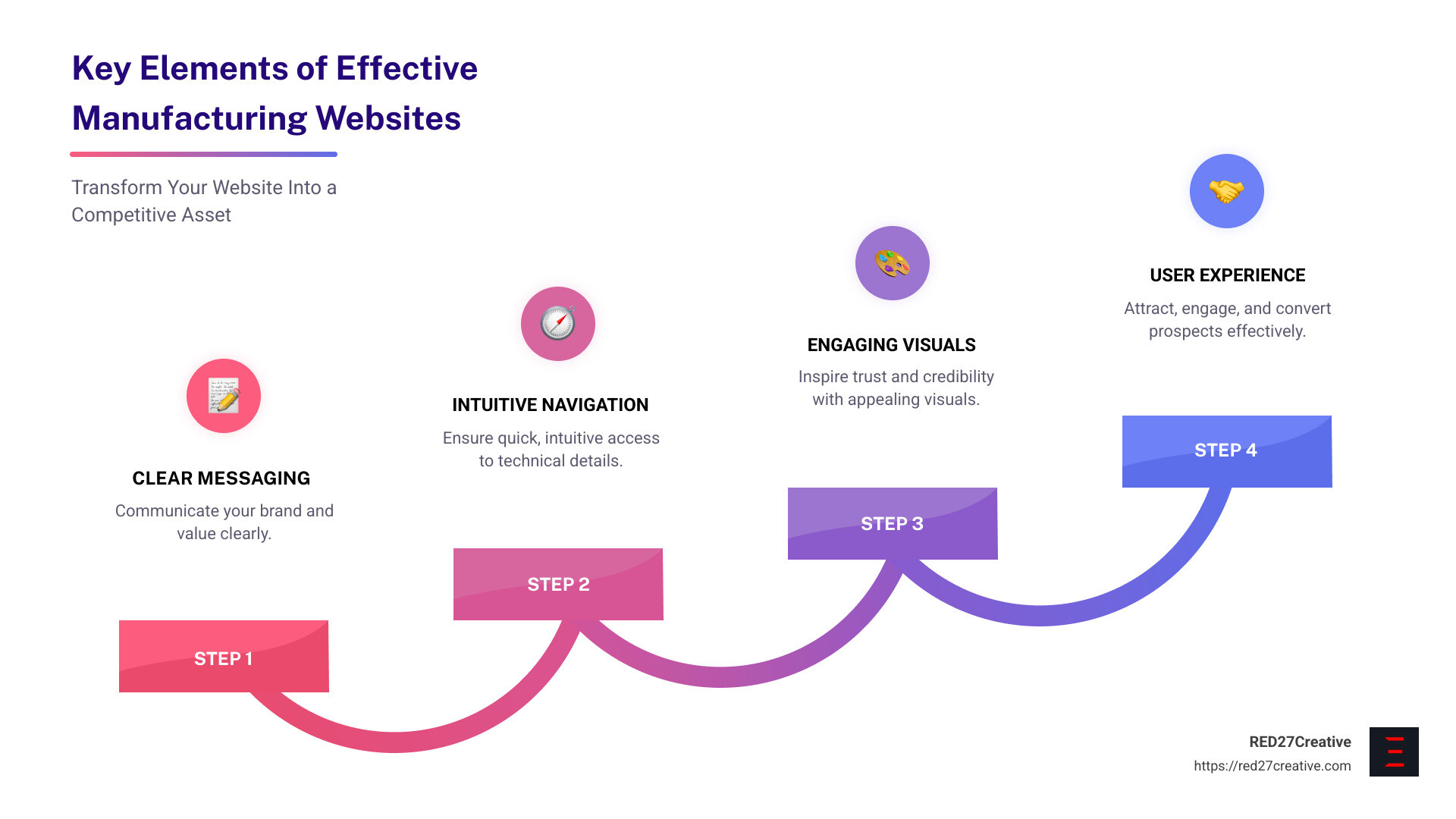
- Communicate your brand and value clearly.
- Offer quick, intuitive access to technical details.
- Inspire trust and credibility among varied audiences.
By addressing these priorities, manufacturers can attract, engage, and convert prospects more effectively.
As a seasoned marketing strategist, I’m Kiel Tredrea, dedicated to elevating brands through innovative web design for manufacturing companies. With decades of experience in branding and digital marketing, I excel in crafting websites that not only look great but also perform excellently, driving significant business growth.
Importance of Web Design for Manufacturing Companies
In the manufacturing sector, web design is more than just an aesthetic choice—it’s a strategic tool that can significantly impact your business. Let’s dig into why it’s crucial for manufacturers to invest in effective web design, focusing on user experience, lead generation, and trust-building.
User Experience: The Digital Front Door
A well-designed website is essential for providing a seamless user experience. When potential clients visit your site, they should find it easy to steer and intuitive to use. Imagine an engineer searching for specific product specifications; they need to access this information quickly and effortlessly. If your site is cluttered or confusing, they’ll likely leave and visit a competitor’s site instead.
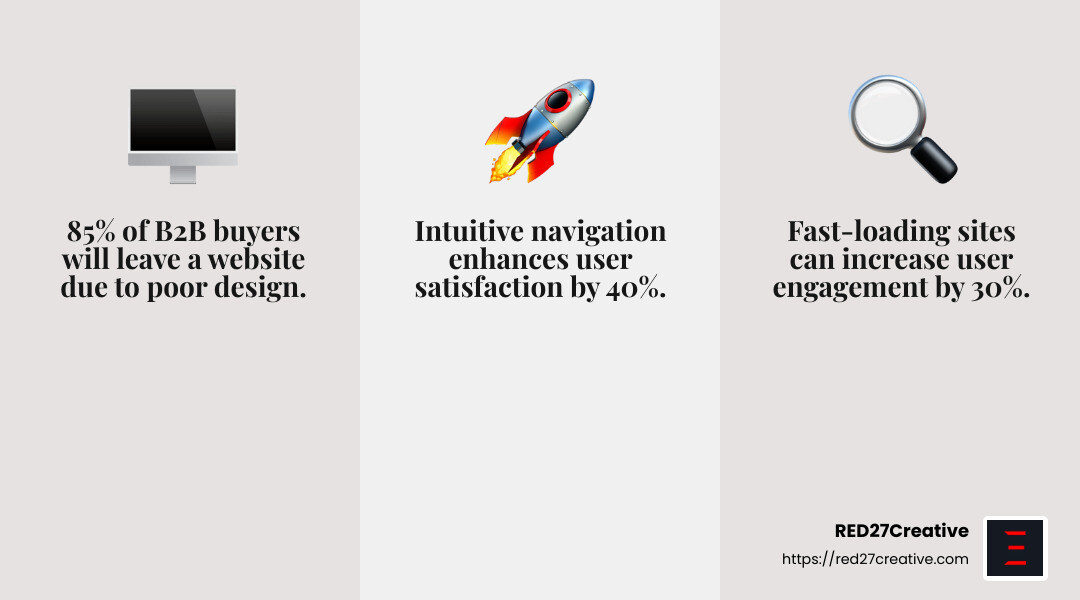
Key elements of a positive user experience include:
- Intuitive navigation: Organize your menu structure into logical categories to support easy exploration. Use breadcrumbs and search functionality to help users find what they’re looking for.
- Fast load times: Optimize your site for speed. Slow-loading pages can deter time-constrained B2B buyers. Techniques like image compression and caching can improve performance.
Lead Generation: Turning Visitors into Prospects
Your website should be a powerful lead generation tool. By incorporating strategic calls-to-action (CTAs), you can guide visitors through the buyer’s journey. Whether it’s downloading a whitepaper or scheduling a demo, CTAs should be clear and aligned with user needs at each stage.
Effective lead generation strategies include:
- Gated content: Offer valuable resources in exchange for visitor information. This not only builds your email list but also positions your company as a thought leader.
- Webinars and calculators: These tools allow users to explore solutions independently, creating engagement opportunities before they’re ready to talk to sales.
Trust-Building: Establishing Credibility
Trust is a currency. Your website is often the first interaction potential clients have with your brand, so it must convey reliability and expertise.
Trust-building elements to consider:
- Case studies and testimonials: Showcase your experience and success stories. This not only demonstrates your capability but also reassures potential clients of your credibility.
- Clear value propositions: Highlight how your solutions address client challenges. Use data and client logos to add credibility and differentiate from competitors.
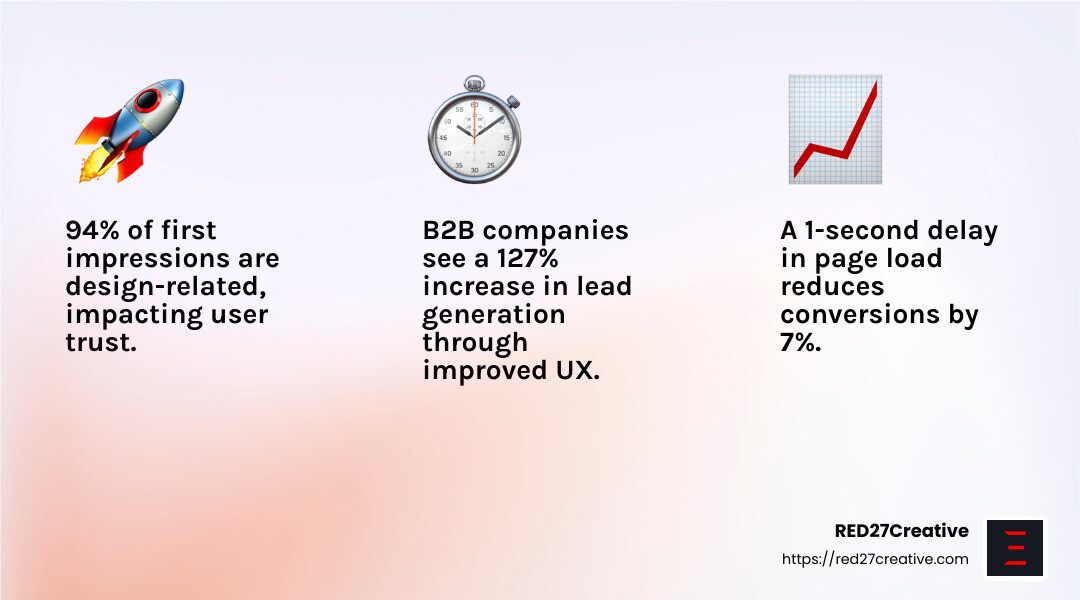
By prioritizing user experience, lead generation, and trust-building, manufacturers can create websites that not only attract visitors but also convert them into loyal clients. This strategic approach to web design will set your manufacturing business apart in a competitive digital landscape.
Frequently Asked Questions about Web Design for Manufacturing Companies
What are the essential features of a manufacturing website?
A manufacturing website should have intuitive navigation, fast load times, clear CTAs, and trust-building elements like case studies and testimonials.
How can manufacturers improve their website’s user experience?
Manufacturers can improve user experience by organizing content logically, ensuring fast page load speeds, and offering intuitive navigation.
Why is SEO important for manufacturing websites?
SEO improves visibility and search rankings, making it easier for potential clients to find your business online and engage with your content.
Key Elements of Effective Manufacturing Websites
Creating a successful manufacturing website requires more than just a sleek design. It needs to communicate effectively, guide visitors effortlessly, and engage them visually. Let’s explore the core components that make a manufacturing website stand out.
Clear Messaging: Communicate Your Value Instantly
When someone lands on your website, they should immediately understand what your company offers. A clear positioning statement at the top of your homepage can achieve this. For example, Phillips Manufacturing uses the tagline “Providing the Quality and Value of Quiet” to communicate its focus on wall insulation products.
Key aspects of clear messaging include:
- Positioning Statement: Clearly state what you do and the value you provide.
- Overview of Products and Services: Use concise descriptions to highlight what you offer.
- Value Propositions: Clearly outline how your solutions address specific industry challenges.
Intuitive Navigation: Guide Users Seamlessly
An effective manufacturing website should offer intuitive navigation that helps users find what they need without hassle. This is crucial for decision-makers like engineers who are often on tight schedules.
Best practices for navigation:
- Logical Menu Structure: Categorize content to support intuitive exploration.
- Search Functionality: Include a search bar to help users quickly locate information. Ellis Manufacturing, for example, features a search bar prominently at the top of their page.
- Breadcrumbs: Use breadcrumbs to show users where they are on your site and how to get back.
Engaging Visuals: Capture Attention and Convey Information
Visual elements are more than just eye candy; they play a vital role in communicating your brand’s story and capabilities. Engaging visuals can help potential clients understand the value of your products and services.
Strategies for engaging visuals include:
- Product Images in Context: Show products in their intended environment. Virco, for instance, displays its products within school settings, demonstrating their use and value.
- Videos and Interactive Content: Use videos to explain complex processes or showcase product features. Path Robotics effectively uses videos to explain their autonomous welding technology.
- Consistent Branding: Ensure your visuals align with your brand colors and style for a cohesive look.
By focusing on clear messaging, intuitive navigation, and engaging visuals, manufacturers can create websites that not only attract visitors but also convert them into leads. These elements ensure your website serves as a powerful tool for communication and engagement.
Frequently Asked Questions about Web Design for Manufacturing Companies
What are the essential features of a manufacturing website?
A manufacturing website should have intuitive navigation, fast load times, clear CTAs, and trust-building elements like case studies and testimonials.
How can manufacturers improve their website’s user experience?
Manufacturers can improve user experience by organizing content logically, ensuring fast page load speeds, and offering intuitive navigation.
Why is SEO important for manufacturing websites?
SEO improves visibility and search rankings, making it easier for potential clients to find your business online and engage with your content.
Top Web Design Tips for Manufacturers
SEO Optimization: Boosting Visibility and Engagement
Search Engine Optimization (SEO) is crucial for manufacturers looking to increase their online presence. A well-optimized site can improve search rankings, making it easier for potential clients to find you.
Key strategies for SEO optimization include:
- Keyword Research: Identify and integrate relevant keywords that your target audience searches for. This helps improve your site’s visibility in search results.
- On-Page SEO: Use descriptive meta tags, alt text for images, and structured headers to improve search engine indexing.
- Quality Content: Publish informative blog posts and detailed product descriptions to provide value and improve rankings. For example, VJ Group tailors content for engineers, enhancing relevance and authority.
Mobile Responsiveness: Ensuring Accessibility Across Devices
With more users accessing websites via mobile devices, ensuring mobile responsiveness is non-negotiable. A mobile-friendly design ensures that your site looks great and functions well on any device.
Steps to achieve mobile responsiveness:
- Responsive Design: Use flexible layouts that adapt to different screen sizes.
- Fast Load Times: Optimize images and scripts to ensure quick loading on mobile networks.
- Touch-Friendly Navigation: Design buttons and links that are easy to tap on small screens.
Content Strategy: Building Trust and Authority
A solid content strategy is key to engaging visitors and establishing your brand as an industry leader. Content should be informative, relevant, and aligned with your audience’s needs.
Effective content strategy tips:
- Educational Content: Create resources like white papers and case studies to demonstrate expertise and build trust. Primary Flow Signal uses industry pages and case studies to establish credibility.
- Regular Updates: Keep content fresh and relevant by updating blog posts and product information regularly.
- Multimedia Elements: Use videos, infographics, and interactive content to make complex information more accessible and engaging.
By focusing on SEO optimization, mobile responsiveness, and a strong content strategy, manufacturers can create websites that not only attract visitors but also convert them into loyal clients. These tips ensure your website is a powerful tool for visibility and engagement.
Frequently Asked Questions about Web Design for Manufacturing Companies
What are the essential features of a manufacturing website?
A manufacturing website should have intuitive navigation, fast load times, clear CTAs, and trust-building elements like case studies and testimonials.
How can manufacturers improve their website’s user experience?
Manufacturers can improve user experience by organizing content logically, ensuring fast page load speeds, and offering intuitive navigation.
Why is SEO important for manufacturing websites?
SEO improves visibility and search rankings, making it easier for potential clients to find your business online and engage with your content.
Examples of Successful Manufacturing Website Designs
In the competitive world of manufacturing, a well-designed website can set your company apart. Here, we highlight three standout examples: Path Robotics, Kongskilde Industries, and FasTest. These companies have excelled in creating websites that not only look great but also drive business results.
Path Robotics: Innovating with AI
Path Robotics showcases how cutting-edge technology can be effectively communicated through web design. Their homepage boldly states, “Truly Autonomous Welding Powered by AI Technology,” immediately capturing the visitor’s attention and clearly conveying their value proposition. The site uses a modern design with integrated visuals and videos to explain the autonomous welding process, making it accessible even to newcomers.
Their navigation is intuitive, with a mega dropdown under “Robotic Welding Systems” that offers quick access to detailed content. This structure not only makes it easy for users to find information but also improves their understanding of the technology. By providing a seamless user experience, Path Robotics successfully educates prospects, turning them into informed customers.
Kongskilde Industries: Tailoring Experiences
Kongskilde Industries, a leader in pneumatic material conveyance, has developed a robust website that caters to distinct audience needs. Their site features separate pathways for industrial and grain verticals, ensuring that each visitor finds relevant information quickly. This custom approach is further supported by multiple entry points on the homepage, guiding users to the right segment.
The website also highlights a prominent positioning statement: “Find the Power of Air: Kongskilde systems are a flexible, powerful solution for both industrial and grain applications.” This clear narrative, combined with client logos and testimonials, builds trust and credibility. The site’s global accessibility, with localization and translation features, ensures a seamless experience for international users.
FasTest: Streamlining E-commerce
FasTest excels in creating an intuitive e-commerce experience custom for engineers. Their website features robust filters that help users quickly identify products suited to their applications. This efficiency is further improved by direct integration with FasTest’s CRM, MAT, and ERP systems, streamlining processes for both users and the internal team.
The site is designed with engineers in mind, offering custom content for various industries, including automotive and aerospace. By integrating e-commerce functionality with a focus on user experience, FasTest provides a seamless journey from product findy to purchase, making it a model for manufacturing websites looking to boost online sales.
These examples demonstrate that a successful manufacturing website is more than just visually appealing; it’s about delivering a user-centric experience that drives engagement and conversions. By incorporating clear messaging, intuitive navigation, and custom content, manufacturers can create digital platforms that not only showcase their products but also build lasting relationships with their customers.
Frequently Asked Questions about Web Design for Manufacturing Companies
What are the essential features of a manufacturing website?
A manufacturing website should have intuitive navigation, fast load times, clear CTAs, and trust-building elements like case studies and testimonials.
How can manufacturers improve their website’s user experience?
Manufacturers can improve user experience by organizing content logically, ensuring fast page load speeds, and offering intuitive navigation.
Why is SEO important for manufacturing websites?
SEO improves visibility and search rankings, making it easier for potential clients to find your business online and engage with your content.
Frequently Asked Questions about Web Design for Manufacturing Companies
What are the essential features of a manufacturing website?
A successful manufacturing website is built on several key features that improve user engagement and drive business results. Intuitive navigation is crucial, allowing users to easily find the information they need. This includes clear paths to product categories and services, as well as content custom to different user personas or industries. Fast load times are essential to keep visitors on the site, as slow pages can lead to high bounce rates. Clear calls-to-action (CTAs) guide users toward desired actions, such as requesting a quote or downloading a product brochure. Finally, trust-building elements like case studies, testimonials, and client logos can significantly boost credibility and encourage potential customers to take the next step.
How can manufacturers improve their website’s user experience?
Improving user experience on a manufacturing website involves a few strategic steps. Organizing content logically ensures that users can easily steer the site and find relevant information. This includes using intuitive menus and providing clear pathways to key sections. Fast page load speeds are critical, as they keep users engaged and reduce the likelihood of them leaving the site prematurely. Additionally, offering intuitive navigation with features like search bars and filtering options can help users quickly locate the products or services they are interested in. By focusing on these elements, manufacturers can create a more seamless and satisfying user experience.
Why is SEO important for manufacturing websites?
Search engine optimization (SEO) is vital for manufacturing websites because it improves online visibility and search rankings. By optimizing for relevant keywords, manufacturers can increase the likelihood that potential clients will find their business when searching for related products or services. SEO not only helps in attracting more organic traffic but also ensures that the content is engaging and relevant to the audience. This leads to higher engagement rates and can ultimately drive more conversions. In a competitive industry, a strong SEO strategy is essential for standing out and reaching a broader audience.
Conclusion
At RED27Creative, we understand that a well-designed website is more than just a digital storefront—it’s a powerful tool for growth and online presence. Our comprehensive services are custom to help manufacturing companies like yours thrive in the digital age.
By focusing on results-driven marketing, SEO, and web design, we lift brands and scale businesses. Our approach ensures your website not only attracts visitors but converts them into loyal customers. We specialize in creating engaging, user-friendly websites that highlight your strengths and set you apart from the competition.
Our expertise in B2B lead generation helps manufacturers capture and nurture leads effectively. By optimizing your website for SEO, we increase your visibility in search engine results, ensuring potential clients find you easily. A mobile-responsive design guarantees your site looks great on any device, improving user experience and engagement.
With locations in Geneva, Batavia, Aurora, St. Charles, Plainfield, Oswego, Naperville, and Chicago, we are well-positioned to support your business locally and beyond.
Ready to boost your online presence and drive growth? Contact us today to learn how our services can transform your manufacturing website into a powerful business asset. Let’s design success together!

Kiel Tredrea
https://red27creative.comTop Marketing Agency • Web, SEO & Leads • RED27Creative