Beyond the Code: Web Design for Leading Tech Companies
Why Modern Tech Companies Need Exceptional Web Design
Web design tech companies are changing how technology businesses connect with their audiences online. In today’s digital economy, over 60% of consumers research products online before making purchases, making your website the critical first touchpoint for potential customers.
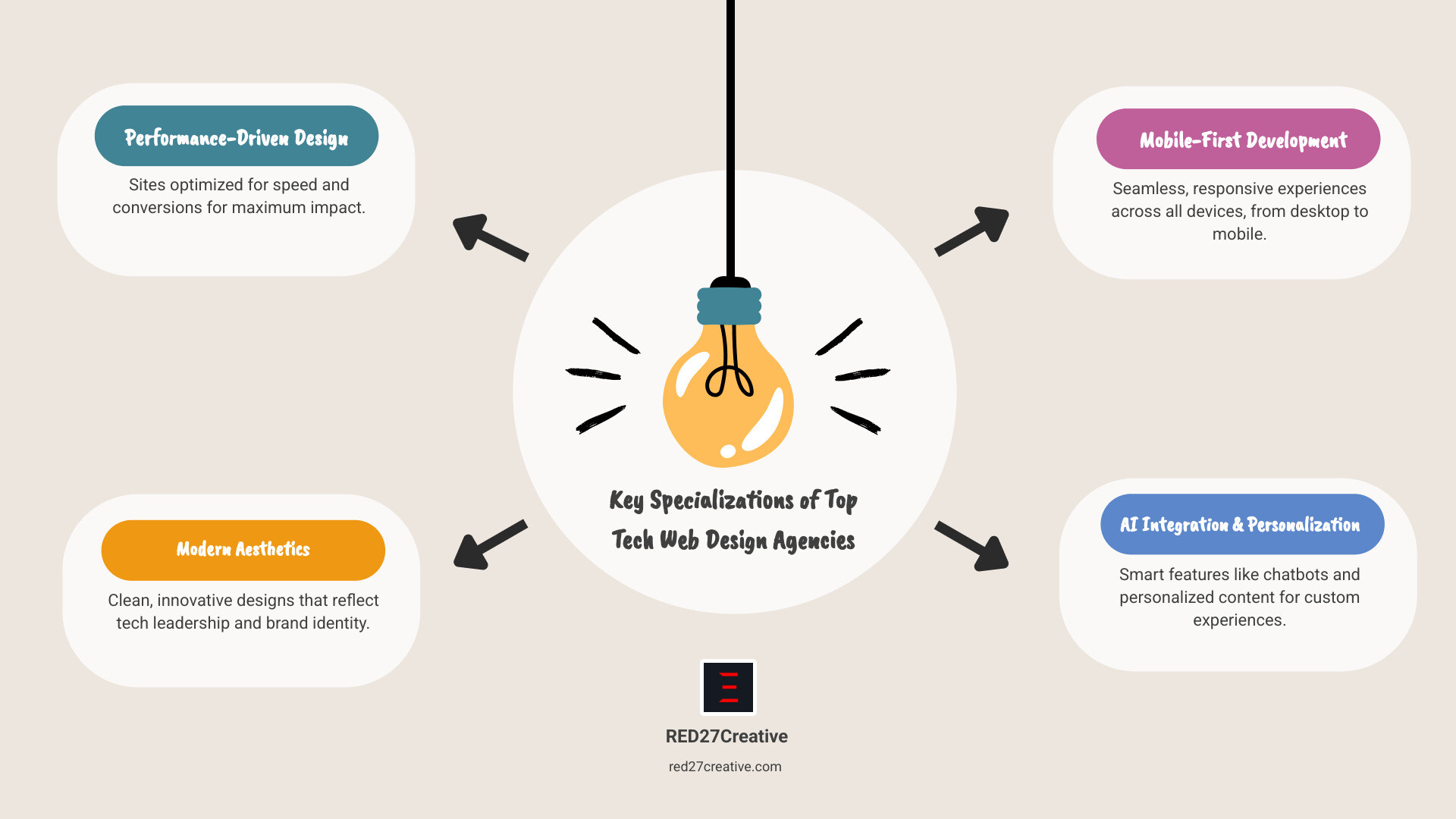
Top web design agencies for tech companies specialize in:
- Performance-driven design – Sites optimized for speed and conversions
- Modern aesthetics – Clean, innovative designs that reflect tech leadership
- Mobile-first development – Responsive experiences across all devices
- AI integration – Smart features like chatbots and personalized content
- SEO optimization – Built-in search engine visibility from day one
- Accessibility compliance – Inclusive design for all users
The stakes couldn’t be higher. Research shows that 85% of people won’t buy from a badly designed website, and it takes just 50 milliseconds for visitors to form their first impression of your business. Tech companies that invest in professional web design see conversion rate improvements of up to 400%.
Leading agencies are setting new standards by combining cutting-edge technology with user-centered design principles. They understand that successful tech websites must balance innovation with usability, creating digital experiences that both impress and convert.
As Kiel Tredrea, founder of RED27Creative, I’ve spent over 20 years helping web design tech companies and their clients build high-performance websites that drive measurable growth. My expertise in conversion optimization and UX design delivers results for B2B tech firms aiming for market leadership through a superior digital presence.
The Hallmarks of a High-Performing Tech Website in 2025
What separates a good tech website from a great one in 2025? The answer lies in masterfully balancing three critical elements: aesthetics, functionality, and user experience.
Creating a positive first impression is non-negotiable for any tech company serious about growth, as visitors form an opinion in milliseconds. The ultimate goal isn’t just to impress with flashy visuals; it’s about creating a seamless journey that guides users to their goals without friction.
Achieving the Perfect Balance: Aesthetics, Functionality, and UX
After helping dozens of tech companies, I’ve learned one thing: usability always comes first. A beautiful site that frustrates users is useless. Visitors aren’t there to admire your design; they have a goal. Your job is to help them achieve it smoothly.
Functionality must be intuitive, ensuring every interactive element serves a clear purpose. Users shouldn’t have to think about how to navigate your site—it should feel obvious.
Aesthetics should improve the user experience, not compete with it. The best tech websites create visually engaging environments that reinforce their brand and make the user’s journey more enjoyable. When aesthetics and functionality work together, magic happens. More info about Responsive Website Development.
The most successful web design tech companies understand this delicate balance. They know that if users can’t easily find what they’re looking for, the website has failed its primary mission.
Core Best Practices for Tech Website Design

Building a high-performing tech website requires following proven best practices that separate winners from the competition.
Consistent branding forms the foundation of trust. Your site should be a natural extension of your brand, with a cohesive color palette, typography, and messaging. Consistency across pages signals professionalism and builds trust.
Strong, clear calls-to-action can boost conversion rates by up to 400%. Effective CTAs are helpful, not pushy, using customer-focused language and standing out visually without being aggressive.
Fast page load times are essential. A quarter of users abandon sites that take more than four seconds to load. Use optimization techniques like image compression, browser caching, and CDNs to prevent losing customers before they see your offer.
Mobile-first design is a necessity. With half of all web traffic coming from mobile, your site must be flawless on small screens. This means designing for mobile first, then scaling up.
User-friendly navigation should feel invisible. Visitors should find what they need without effort, thanks to clear menus, breadcrumbs, and strategic information placement.
High-quality photography and videography create emotional connections. With 40% of visitors finding images crucial and 21% valuing videos, great visuals increase engagement and reduce bounce rates, making your site more effective, not just prettier.
These practices work together to create websites that don’t just look professional—they drive real business results. 6 Reasons Why Having a Great Website Matters.
Top Trends Shaping the Future of Web Design for Tech Companies
In 2025, tech websites are evolving from static pages into dynamic, narrative-driven platforms. Staying ahead of design trends is crucial for capturing user attention and reflecting a forward-thinking brand identity by creating more human, interactive, and memorable digital experiences.
Immersive Storytelling and Interactivity
Modern tech websites leverage compelling storytelling and interactivity to engage users on a deeper level, transforming browsing into a narrative journey.
- Scrollytelling: This technique uses scrolling to unfold a narrative through animations and interactive elements, creating a rich, engaging experience that turns a simple scroll into a story.
- Dynamic animations: Subtle animations improve engagement and guide user attention, turning static pages into vibrant, interactive experiences.
- Playful cursors: A modern take on early web interactivity, custom cursors add a fun, tactile element to the user experience, making navigation more memorable.
- Microinteractions: These are small feedback animations (e.g., a button changing color on hover) that provide immediate feedback, making a site feel more responsive and alive.
More info about Web Design Services.
AI-Powered and Personalized Experiences
AI is becoming a visible part of the user interface, offering custom experiences that adapt to individual user behavior for a more relevant and efficient journey.
- AI-driven chatbots: Intelligent assistants that provide instant support, guide users, and offer personalized recommendations to enhance engagement.
- Personalized content recommendations: AI analyzes user behavior to suggest relevant content, products, or services, creating a highly custom and efficient experience.
- Generative UI elements: AI can help create design elements, mockups, and layouts, streamlining the design process for rapid iteration. For example, Figma uses AI for UI generation, and Rytr’s site reflects its innovative AI writing tool.
Modern Aesthetics and Inclusive Design
Modern design prioritizes warmth and authenticity over sterile corporate looks, while accessibility is essential for reaching the widest possible audience.
- Claymorphism: An emerging trend using soft edges, pastel colors, and realistic textures to bring a warm, playful, and polished look to UI elements.
- Dark mode: A popular staple that reduces eye strain and offers a sleek look. It improves readability in low-light conditions while maintaining functionality.
- Custom illustrations: Custom illustrations add personality and authenticity, moving brands beyond generic stock photos to convey a unique brand tone.
- Accessibility (WCAG compliance): Inclusive design is paramount. With over 96% of top websites lacking accessibility, meeting WCAG standards is crucial to make sites usable by people with disabilities, broadening your audience and showing a commitment to inclusivity.
- Inclusive language: Using welcoming and respectful language reinforces your brand’s inclusive nature.
This focus on modern aesthetics combined with inclusive design principles ensures that your tech website resonates with a diverse audience, fostering trust and engagement. More info about Website Design and Development.
How to Choose Among the Best Web design tech companies
Selecting the right partner is critical to translating your vision into a high-performing website. The ideal agency acts as a strategic partner, understanding your business goals to deliver a product that drives growth. Avoiding common pitfalls is just as important as knowing what to look for.
Key Criteria for Selecting a Web Design Agency

Finding the right web design tech companies is like hiring a key team member—you want someone who gets your business and can execute your vision.
Start by diving deep into their portfolio. A strong portfolio is better than any sales pitch. Look for projects with both visual appeal and functional excellence, especially examples relevant to your needs, like intuitive SaaS interfaces.
Industry expertise makes all the difference. An agency with expertise in your tech niche understands your challenges and audience. This knowledge translates into designs that resonate and meet industry standards.
The design process reveals how smoothly your project will run. A great agency is transparent throughout the design process, from wireframes to testing. This collaborative approach involves you in key decisions and ensures the final product reflects your vision.
Business goal alignment separates good agencies from great ones. Your partner should be invested in your success, not just delivering a pretty site. They must understand your goals (e.g., lead generation, sales) and design to support them. A design aligned with business goals is key to a high ROI on UX investment.
Transparency in communication and pricing builds trust. The right agency offers clear pricing without hidden fees and communicates regularly about progress and challenges. Some offer subscription models for predictable costs, which helps tech companies manage budgets.
More info about our Website Design and Development Process.
Common Pitfalls to Avoid When Working with Web design tech companies
Even with the best intentions, certain missteps can derail your web design project. Here are common mistakes to avoid.
Prioritizing aesthetics over usability is a major trap. A stunning website is useless if people can’t use it. One company lost 47% of its users after a confusing redesign. Remember: beauty without function is just digital art.
Mobile responsiveness is essential, not optional. With half of web traffic from mobile, a site that isn’t seamless on all devices is broken. Your platform must work flawlessly on every screen.
Don’t let slow page speeds sabotage success. Users abandon sites that take over four seconds to load. If your site is slow, visitors won’t see your tech. Performance optimization must be part of the design process from the start.
Inconsistent branding erodes trust. Every page should feel cohesive. Inconsistent messaging, colors, and fonts make visitors question your professionalism.
Unclear user journeys and weak calls-to-action leave money on the table. If visitors don’t know what to do next, they’ll leave. Every page must guide users toward a desired action, like requesting a demo or making a purchase.
The good news? Working with experienced web design tech companies helps you avoid these costly mistakes while building a reputation for digital excellence.
Frequently Asked Questions about Tech Website Design
What makes a good tech website?
A good tech website is fast (loading in under three seconds), mobile-first, and clearly communicates its value proposition within seconds. If visitors don’t understand what you do quickly, they’ll leave.
The magic happens when you balance cutting-edge design trends like scrollytelling and custom illustrations with rock-solid user experience fundamentals. Your website might feature stunning animations, but if the navigation is confusing or a form doesn’t work, the visual appeal is worthless.
Trust-building elements are equally crucial. This means consistent branding, professional photography, clear testimonials, and transparent pricing. Your website should make it easy for visitors to decide they want to do business with you.
How much does a tech website cost?
The honest answer is that it depends on your goals. A basic informational website for a tech startup might run between $5,000 and $15,000, including a clean design, essential pages, and basic SEO.
Advanced design and development projects usually fall in the $15,000 to $50,000 range. This level includes custom functionality, tool integrations, advanced animations, and comprehensive mobile optimization.
For enterprise-level tech companies needing complex web applications or custom portals, costs can be $100,000 or more, often involving phased development and custom integrations.
Think of your website as an investment, not an expense. A well-designed site generates leads and builds credibility 24/7. The cost of a poor website in lost opportunities often far exceeds the investment in a professional one.
How long does it take to design a tech website?
Timelines vary based on complexity and client preparedness. A simple website typically takes 4 to 6 weeks from consultation to launch, assuming content is ready and feedback is prompt.
Custom-built sites with advanced functionality usually require 2 to 3 months, including time for strategy, design, development, and testing.
Large enterprise projects can extend 3 to 6 months or longer, especially with multiple stakeholders or complex integrations.
The biggest factor affecting the timeline is client preparedness. Timely feedback, organized content, and efficient decisions are key. Clear communication and realistic expectations from day one lead to the most successful projects. Rushing a launch often leads to problems, so it’s better to take the time to get it right.
Conclusion: Building Your Digital Front Door
Your website is your company’s digital front door, where first impressions are formed in milliseconds. It instantly shapes perceptions of your brand, expertise, and problem-solving ability.
Think of your website as more than just an online brochure. It’s your 24/7 sales representative, working tirelessly to engage users, build trust, and guide potential customers toward meaningful action. When you focus on a seamless user experience while embracing modern trends like AI personalization and immersive storytelling, you’re crafting a powerful business tool.
Successful web design tech companies know that great websites deliver tangible results. Foundational practices like consistent branding, fast load times, and mobile-first design, combined with modern trends like scrollytelling and accessibility, create digital experiences that impress and convert.
88% of online consumers won’t return after a bad website experience, and they’ll likely share that negative impression with others. On the flip side, a well-designed site can improve conversion rates by up to 400%. That’s the difference between a website that costs you customers and one that consistently brings them in.
Ready to build a tech website that sets you apart from the competition? The experts at RED27Creative specialize in creating results-driven digital experiences that capture attention and convert visitors into customers. We understand that your website isn’t just about looking good—it’s about driving real business growth through thoughtful design, strategic user experience, and proven conversion optimization techniques.
Learn more about our Website Design and Development services and let’s build something great together.

Kiel Tredrea
https://red27creative.comTop Marketing Agency • Web, SEO & Leads • RED27Creative